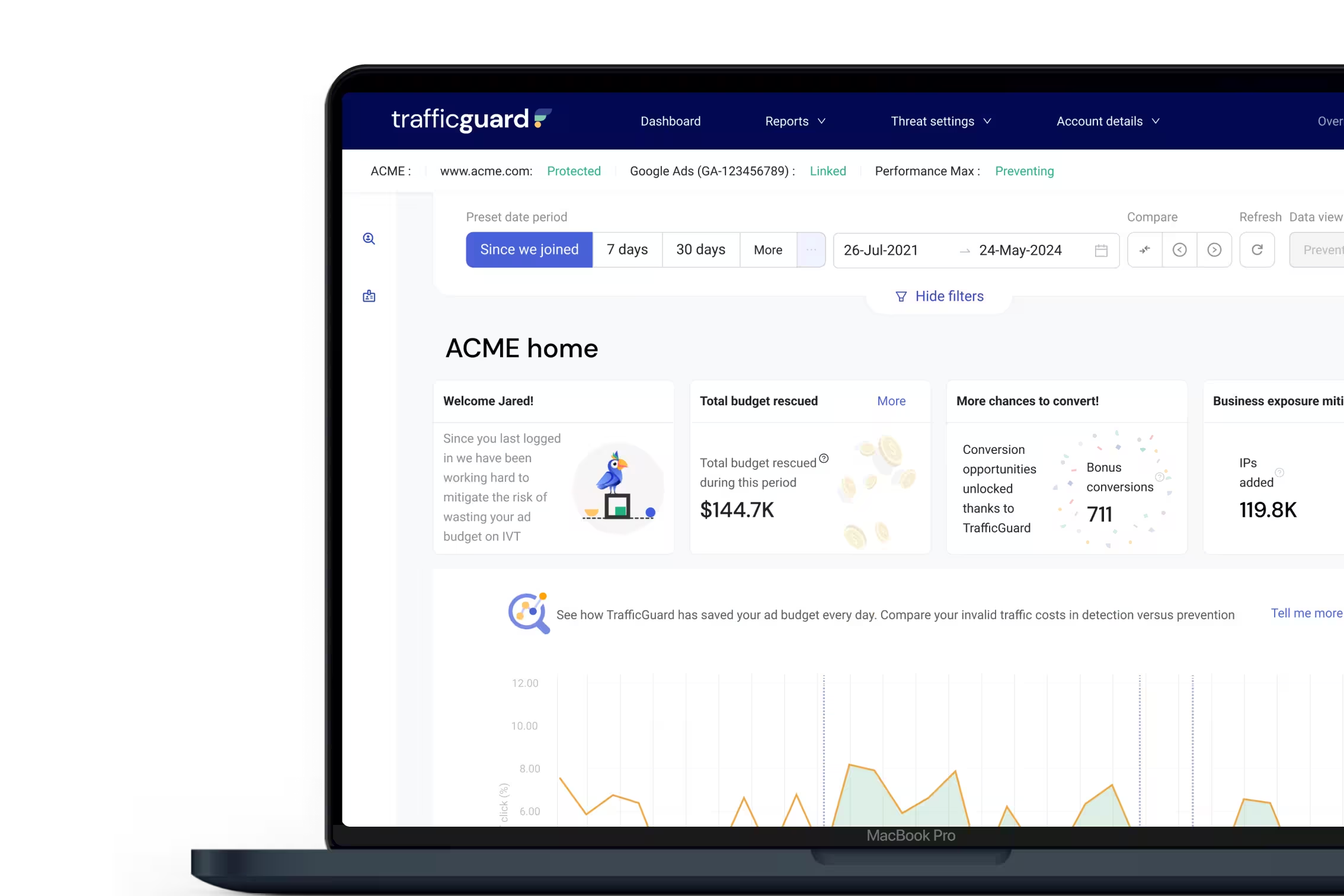
TrafficGuard for Travel & Hospitality
Click Fraud Protection for Travel and Hospitality Ad Campaigns
Stop losing margin to bot-driven price scraping and inventory hoarding. TrafficGuard provides specialised click fraud software for travel, ensuring your high-CPC campaigns reach genuine travelers, not automated scripts.












The State of Click Fraud in Travel & Hospitality
Click fraud in travel is more than wasted spend, it's a threat to your inventory. Bots use paid ads to scrape real-time pricing and "hoard" availability, creating artificial sell-outs that block human bookings.
Without dedicated click fraud software, your campaigns optimize toward bots and non-incremental repeat clicks. In a high-CPC industry, this distorts your data and erodes margins that are already under pressure.
is absorbed by non-incremental clicks
was lost to digital fraud in 2025
How TrafficGuard Eliminates Click Fraud and Secures ROAS for Travel and Hospitality Brands?

Competitors Scrape Prices and Availability via Paid Ads
Real-time Blocking of Price Scraping in Travel Advertising
TrafficGuard delivers real-time click fraud software that blocks scraper bots before they land on your site. By stopping bots at the point of click, we protect your pricing data, stabilise high-CPC keywords, and ensure your budget isn't fueling competitor spreadsheets.
Bot Traffic Reaches Purchase Flows and Holds Inventory
Preventing Bots from Holding Travel Inventory in Booking Flows
TrafficGuard provides specialised inventory protection by removing invalid sessions before they impact your bookable supply. We ensure your seats and rooms remain available for human customers, protecting your conversion rates during critical peak-season periods.
Post-Booking Clicks Erode Low-Margin Budgets
Blocking Paid Navigation from Existing Customers After Booking
TrafficGuard applies user-level validation to cap paid clicks from users who have already converted. By redirecting spend away from expensive navigation and toward net-new demand, we preserve your margins and ensure your ad spend is dedicated to genuine acquisition.
Polluted Signals Force Algorithms to Optimise Toward Bots
Restoring Clean Bidding Signals to Reduce CPA in Travel Ads
TrafficGuard restores clean optimization signals by filtering invalid behavior before it enters your bidding models. This allows your algorithms to learn from real buyer intent, ensuring your campaigns fill seats and rooms with real travellers rather than wasting spend on non-profitable clicks.
Real Results Across Industries I Travel & Hospitality
Real Results for Travel & Hospitality Brands
TrafficGuard helps travel and hospitality brands to protect high-CPC paid acquisition from bots, invalid clicks, and unprofitable paid behaviour. By blocking invalid traffic in real time, every click supports cleaner optimisation signals, stable bidding strategies, and predictable customer acquisition without increasing spend.
$2.6M
Saved from returning users
$208K
Rescued from bot activity
47x
ROI
Luxury Travel Brand Unlocks Millions in Ad Budget with TrafficGuard

Protect Your Travel & Hospitality Campaigns With TrafficGuard

Choose Plan
We have multiple plans to meet your needs.
Explore Our Plans Details
Unlock Your Protection
TrafficGuard have different plans for different needs, choose the one that fits you best

In-depth Audit
Timeline of getting your site’s in-depth audit results.
What To Expect During the Audit Period?


How To Set Up
Simple steps to set up tracking. Enjoy our full funnel solution for your travel campaigns.
How to set up tracking?


Recommended Resources
Stay up to date with TrafficGuard's latest resources on click fraud protection for travel marketers.






Trusted by Leading Travel & Hospitality Brands












FAQs of TrafficGuard for Travel & Hospitality Brands
Can’t find what you are looking for? Go to our support page to learn more.
What is click fraud in the travel and hospitality industry?
In the travel sector, click fraud involves bots, automated scripts, or competitors clicking on paid ads with no intent to book. This often manifests as price-scraping bots that use your paid search budget to monitor and undercut your real-time pricing and availability.
How does bot traffic impact travel booking flows and inventory?
Travel brands face a unique threat known as inventory hoarding, where automated traffic progresses deep into the booking funnel to "hold" flights, rooms, or packages. These bots reach checkout or payment steps in 10% to 25% of observed sessions, blocking genuine travellers from accessing limited supply.
Why is click fraud particularly damaging for high-CPC travel campaigns?
With travel CPCs increasing by 15% to 30% year-on-year, the cost of every wasted click is amplified. In an industry where margins are often in the single digits, unaddressed click fraud can quickly make a campaign unprofitable.
What are "non-incremental" clicks in travel advertising?
Non-incremental clicks occur when users, typically existing customers, use paid ads as a navigation tool to reach a site they would have visited anyway. This frequently happens when travellers who have already booked click a paid brand ad to manage their itinerary, creating pure wasted spend with no new revenue.
Can’t Google Ads already detect travel-specific bot traffic?
While platforms provide basic filtering, they struggle to distinguish sophisticated bots from real travellers deep in the funnel. Dedicated click fraud software is required to identify industry-specific patterns like inventory hoarding and to cap the behaviour of returning users who have already converted.
How do bots "pollute" optimisation signals for travel brands?
When bots and repeat users trigger conversion signals, bidding algorithms learn from fake demand and low-value behaviour. This can inflate your CPA by 20% or more as the algorithm incorrectly allocates budget toward non-converting automated traffic.
What is the difference between ad fraud and inventory protection?
Standard ad fraud prevention focuses on blocking fake clicks, whereas inventory protection prevents bots from interacting with your bookable supply. This ensures that your finite inventory remains available for human travellers, protecting your conversion rates during critical booking windows.
Is click fraud prevention effective for peak travel seasons?
Yes. During peak seasons, invalid or automated traffic typically spikes by 2 to 3 times compared to off-peak periods. Implementing click fraud protection ensures your peak-season performance is not compromised by automated abuse or competitors scraping your high-demand pricing.
Ready To Protect Your Ad Spend?