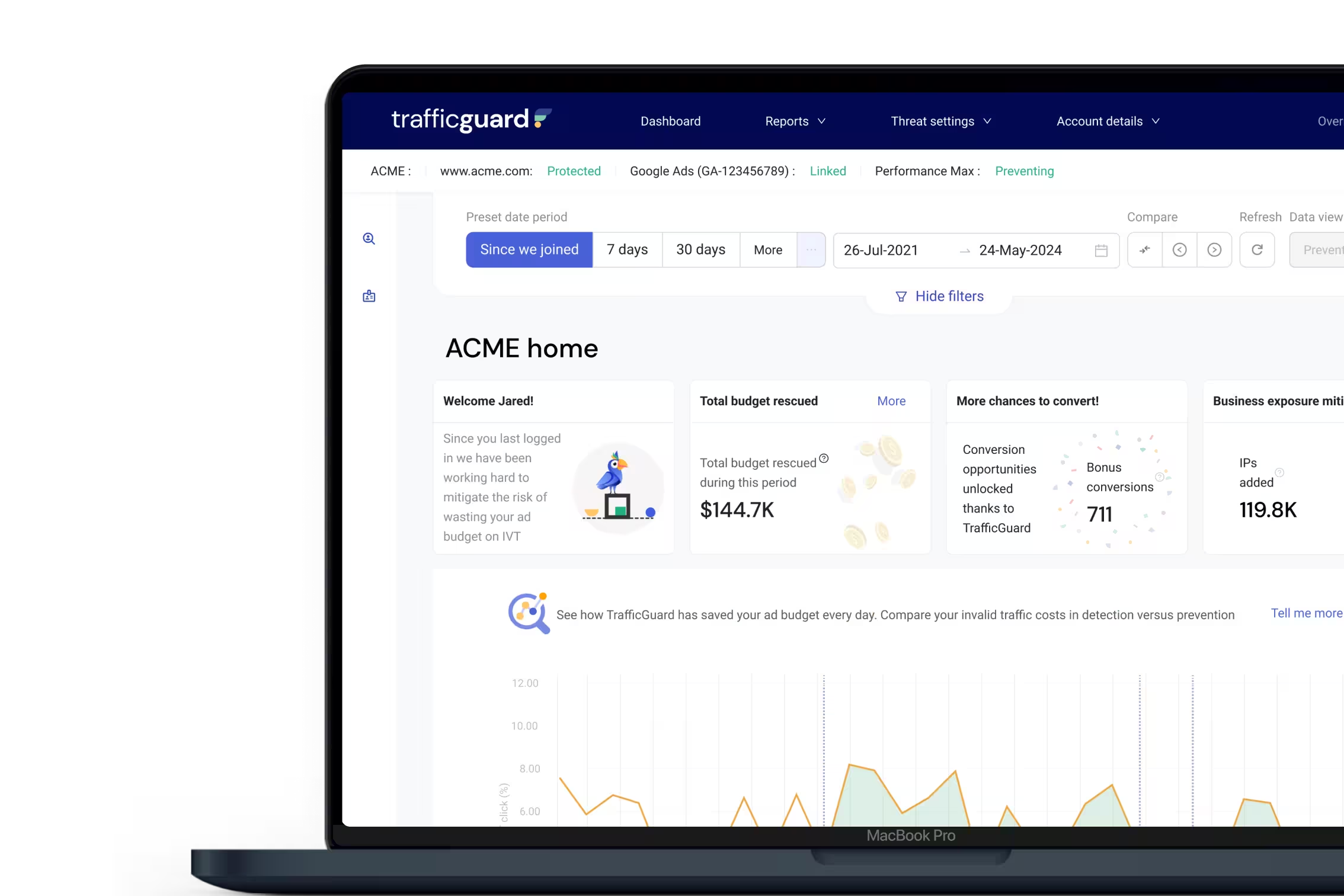
TrafficGuard for eCommerce
Click Fraud Protection for eCommerce Ad Campaigns
Stop paying for bots, scrapers, and non-incremental users. TrafficGuard delivers eCommerce ad fraud prevention by blocking invalid traffic and unprofitable click behaviour before it inflates CPCs, pollutes your pixel, and drains margin.

















The State of Click Fraud in eCommerce
Up to 20% of eCommerce ad spend is wasted on fraudulent clicks from bots, competitors, and click farms. This invalid traffic inflates CPC, lowers ROAS, and steals budget from real customers.
in eCommerce shows non-incremental or invalid behaviour
was lost to digital fraud in 2025
come from repeat users, loyal customers returning through paid ads instead of new buyers.
For eCommerce brands without a dedicated click protection software is wasted on bots and price scrapers
How TrafficGuard Protects eCommerce Brands from Click Fraud?

Competitor Bots Are Clicking Ads to Scrape Prices
Block Bots in Real-time
TrafficGuard blocks scraper bots in real time using behavioural and network-level validation. Invalid clicks are stopped before landing, protecting budgets, stabilising CPCs, and ensuring paid campaigns optimise toward genuine shopper intent.
Returning Users Are Draining Acquisition Spend Without Adding Revenue
User-level Validation and Click Frequency Controls
TrafficGuard applies user-level validation and click frequency controls to cap unprofitable repeat behaviour. Existing customers still reach the site, but paid acquisition budget is reserved for net-new, higher-value shoppers. The result is lower wasted spend and more efficient customer acquisition
Non-Incremental Traffic Is Training Google and PMax to Optimise Toward Noise
Once signals are polluted, recovery can take weeks or months.
Protection Against Invalid and Non-incremental Traffic
TrafficGuard removes invalid and non-incremental behaviour before it shapes optimisation models. Clean signals allow platforms to optimise toward real buyers with purchase intent, improving efficiency without increasing spend.
Bots and Fake Behaviour Are Polluting Remarketing and ROAS Metrics
This creates the illusion of performance while margin erodes.
Filter Out Invalid Behaviour
TrafficGuard filters invalid behaviour before it reaches your pixel. Remarketing audiences stay clean, optimisation decisions are based on real shopper behaviour, and retargeting spend delivers measurable incremental value.
Real Results Across Industries I eCommerce
Real Results for eCommerce Brands
TrafficGuard helps eCommerce brands protect paid acquisition from bots, scrapers, and non-incremental click behaviour. By blocking invalid traffic in real time, every click is directed toward genuine shoppers, cleaner optimisation signals, and higher profit per customer.
62.5%
bot traffic reduction in one month
70%
non-incremental engagement reduction in one month
₹107k
of ad budget was reinvested

Winni's Breakthrough Using TrafficGuard's Solutions

Protect Your eCommerce Campaigns With TrafficGuard

Choose Plan
We have multiple plans to meet your needs.
Explore Our Plans Details
Unlock Your Protection
TrafficGuard have different plans for different needs, choose the one that fits you best

In-depth Audit
Timeline of getting your site’s in-depth audit results.
What To Expect During the Audit Period?



How To Set Up
Simple steps to set up tracking. Enjoy our full funnel solution for your eCommerce campaigns.
How to set up tracking?


Recommended Resources
Stay up to date with TrafficGuard's latest resources on click fraud protection for eCommerce marketers.




Trusted by Leading eCommerce Brands












FAQs of TrafficGuard eCommerce
Can’t find what you are looking for? Go to our support page to learn more.
What is click fraud in eCommerce advertising?
Click fraud in eCommerce refers to invalid or non-incremental interactions with paid ads that do not contribute to real revenue. This includes competitor bots scraping prices, automated scripts inflating clicks, reseller bots targeting product launches, and returning customers repeatedly clicking paid ads instead of using organic channels. These interactions consume budget, distort optimisation signals, and reduce paid media profit across Shopping, Search, and Performance Max campaigns.
How does click fraud affect eCommerce profitability, not just ad spend?
Click fraud impacts profitability by inflating CPCs, misdirecting automated bidding, and diverting budget away from net-new customer acquisition. Even when ROAS appears stable, profit per order often declines as spend is absorbed by non-incremental users and automated traffic. Without ecommerce ad fraud prevention, campaigns scale inefficiency rather than growth, making margin erosion difficult to detect until budgets increase.
Why is click fraud especially problematic in Shopping and Performance Max Campaigns?
Shopping and Performance Max rely heavily on behavioural signals such as clicks, product views, and conversion paths. When these signals are driven by bots, scrapers, or repeat users, automated bidding systems optimise toward behaviour that looks successful but does not scale profitably. Once polluted, these optimisation models can take weeks or months to recover.
Why do retuning customers cause wasted spend in eCommerce PPC?
Returning customers often use paid ads as a shortcut to revisit a site rather than navigating organically. While they may convert, this behaviour is non-incremental and increases re-acquisition costs without adding new revenue. Over time, automated bidding systems prioritise these easy conversions, raising CPCs and limiting reach to new, higher-value shoppers unless ecommerce ad fraud prevention controls are applied.
How can eCommerce brands stop price-scraping bots from clicking ads?
eCommerce brands can stop price-scraping bots by using ecommerce ad fraud prevention tools that block invalid traffic in real time, before clicks reach the site. Unlike basic IP exclusions, advanced solutions analyse behavioural patterns and network signals to prevent scrapers from inflating CPCs, extracting pricing data, or forcing unnecessary bid escalation.
Does Google Ads or Performance Max already protect against click fraud?
Google Ads and Performance Max apply basic invalid traffic filtering, but these systems are designed to optimise for volume and spend, not profitability. They do not reliably identify price scrapers, non-incremental users, or behaviour that becomes unprofitable over time. Ecommerce ad fraud prevention tools address these blind spots by stopping harmful traffic before it influences optimisation models.
What should eCommerce marketers look for in click fraud prevention software?
eCommerce marketers should look for solutions that provide real-time prevention, user-level validation, cross-channel coverage, and transparent reporting. Reporting alone does not protect optimisation. Effective ecommerce ad fraud prevention stops unprofitable behaviour before spend is wasted and ensures bidding decisions are based on genuine shopper intent.
How much paid media budget do eCommerce brands typically lose to ad fraud?
Losses vary by category, but many eCommerce brands see between 15% and 30% of paid traffic driven by bots, scrapers, or non-incremental users. Without ecommerce ad fraud prevention, this waste increases as automation expands across Shopping and Performance Max campaigns.
Is eCommerce ad fraud prevention only necessary for large brands?
No. Small and mid-sized eCommerce brands are often more exposed because their budgets are concentrated in high-CPC Shopping and Performance Max campaigns. Even modest volumes of invalid traffic can materially impact efficiency and margin when budgets are tightly controlled.
How long does it take for campaigns to recover after blocking invalid traffic?
Initial improvements are often visible within days, but full optimisation recovery depends on learning cycles and campaign volume. Ecommerce ad fraud prevention significantly shortens recovery time by preventing polluted signals from accumulating in the first place.
How does TrafficGuard compare to Lunio for eCommerce ad fraud prevention?
Lunio primarily focuses on identifying and excluding invalid traffic after it has occurred. TrafficGuard takes a prevention-first approach, blocking invalid and non-incremental behaviour before it reaches the site or influences optimisation. For eCommerce brands running Shopping and Performance Max, this difference matters because preventing polluted signals early reduces recovery time and protects paid media profit.
Learn more on how TrafficGuard compares with Lunio
How does TrafficGuard compare to ClickCease for eCommerce campaigns?
ClickCease relies largely on IP-based blocking and post-click exclusions, which can limit effectiveness against sophisticated bots, repeat users, and price scrapers. TrafficGuard uses behavioural and user-level validation to prevent unprofitable clicks in real time. This allows eCommerce brands to protect optimisation signals across Search, Shopping, and Performance Max rather than reacting after spend has already been lost.
Learn more on how TrafficGuard compares with ClickCease
Ready To Protect Your Ad Spend?