
The Devastating Impact of Affiliate Fraud on SMEs: Taking Action
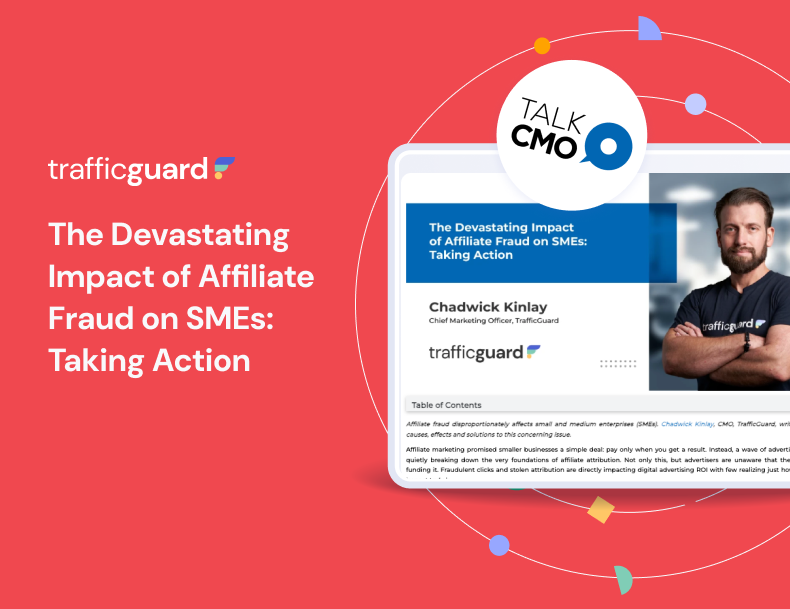
Affiliate fraud disproportionately affects small and medium enterprises (SMEs). Chadwick Kinlay, CMO, TrafficGuard, write about the causes, effects and solutions to this concerning issue.
Affiliate marketing promised smaller businesses a simple deal: pay only when you get a result. Instead, a wave of advertising fraud is quietly breaking down the very foundations of affiliate attribution. Not only this, but advertisers are unaware that they’re actually funding it. Fraudulent clicks and stolen attribution are directly impacting digital advertising ROI with few realizing just how severe the impact truly is.
The impact of advertising fraud is disproportionately affecting small and medium enterprises (SMEs), as they bear the losses much more heavily than larger brands. A larger enterprise can absorb budget losses, but such losses can be devastating to SMEs. If left unchecked, this problem will rapidly grow, allowing fraudsters to siphon budgets and erode consumer trust.
Affiliate fraud tactics have drastically evolved. From click fraud to URL hijacking, affiliate fraud is the perfect tool for bad actors to disguise their theft, leaving advertisers to unknowingly pay for redundant traffic.
Affiliate marketing has grown into a global channel predicted to be worth more than $20 billion in 2026, and SMEs rely on it precisely because it’s performance-based and affordable. For a smaller brand, this can be the difference between a profitable quarter and a missed payroll. This means ad fraud is a threat that SMEs can’t afford to ignore.
Fraudsters are experts at exploiting the inherent vulnerabilities in the affiliate model, and they know that SMEs make much easier targets than bigger brands. If SMEs don’t act now, they risk losing crucial funds for driving future growth.
Stolen Attribution and Drained Budgets
Affiliate fraud refers to any fraudulent activity carried out with the goal of generating commissions on an affiliate program. Affiliate programs are viewed as low-risk, only needing advertisers to pay for sales, sign-ups, or first-time conversions. Coupled with their affordability, affiliate programs are the perfect tactic for SMEs to drive revenue growth without breaking the bank. However, now that fraudsters’ tactics have evolved these programs are falling short of targets and lining the pockets of bad actors.
Fraudsters’ methods have come a long way from fake purchases, as they can now launch sophisticated attacks to manipulate attribution without advertisers ever noticing. Fraud used to come with obvious red flags such as low-quality sources or click floods, but now the threat is much more subtle. Now hijacking attribution is the main goal instead of generating sheer volume. Fraudsters no longer need to drive the traffic themselves; they just need to appear at the final point of credit. Now that fraud isn’t setting off such obvious alarm bells, it’s become much harder to detect, making it even more dangerous.
Unlike some of the better-known forms of fraud, affiliate fraud has been widely underreported. This is because it has become increasingly difficult to detect using traditional reporting. Typically, affiliate platforms provide surface-level reporting that doesn’t show how attribution was captured or who directed the user to the website.
The challenge is that affiliate fraud doesn’t look like anything out of the ordinary. For the most part, hijacked conversions still originate from genuine users and pass surface-level validation. The fraud isn’t in whether or not the conversion occurred; it sits in who gets the credit. AI-driven automation is allowing fraudsters to imitate user navigation, reconstruct conversion paths, and trigger purchase signals. This makes fraud look near-identical to genuine user behavior.
This is how fraud rates are being incorrectly reported, as platforms are focused on more obvious fraudulent behavior while fraudulent clicks and attribution theft fly under the radar. Advertisers are then given a false sense of security as they believe their campaigns are healthy, while value is siphoned behind the scenes by the very activity their reports overlook.
Affiliate Fraud in Practice
Click fraud is the bluntest tactic, and it mainly bites the minority of programs that pay for clicks or leads. Bad actors use AI-powered bots to carry out click fraud, firing fake clicks at affiliate links and inflating click-through rates. Where payouts are tied to those clicks or leads, commissions are triggered with no real person behind them. In every other program, the same traffic quietly pollutes the data advertisers rely on to judge what is working.
But click fraud is the easy part to catch. The far bigger problem sits in the conversion itself. Most advertisers treat affiliate marketing as low-risk because they only pay when a sale or sign-up completes, and that is precisely the assumption fraudsters exploit. Instead of faking the conversion, they steal the credit for genuine ones, collecting full commission on sales the advertiser would have won anyway. The budget drains while the dashboard still shows healthy, converting traffic.
URL hijacking is another form of affiliate fraud on the rise. Fraudsters will register a domain name almost identical to an existing brand. Users frequently misspell names when in a rush, and this will lead them to the fraudulent site set up by the bad actor. The site automatically redirects them to the real brand’s site with affiliate links before they can notice their mistake, letting the fraudsters claim attribution.
Fraudulent affiliates are also capable of disguising themselves as legitimate browser extensions to carry out attribution theft. With attribution, the last click usually wins the credit, so bad actors have found exploits to inject a final click right before a user’s purchase is finalized. This rewards the fraudster even though they didn’t direct the user. Fraudsters can hide referral clicks in discount vouchers or codes and invite users to copy them. This click will then trigger when the voucher is used and steal attribution, causing advertisers to pay the fraudster a commission they didn’t truly earn.
Users are frequently exploited to commit fraud on behalf of bad actors. Fraudsters can drop tracking cookies into a user’s browser, by embedding malicious scripts in different web pages or pop-unders. When the user makes a purchase, the fraudster will get the commission for directing them even though they weren’t involved at all in the process. PerformanceIN found that cookie stuffing impacts 5-10% of affiliate marketing transactions, significantly distorting attribution and harming budgets.
Fraudulent clicks and hidden cookies are building up to rapidly deplete budgets, while SMEs are left with no value and traffic they would’ve received organically anyway. Fraud also makes campaign data unreliable, preventing SMEs from making smarter decisions for their future campaigns. In the meantime, their relationships with legitimate affiliate partners are significantly damaged, which is especially detrimental to smaller businesses trying to build up their brand.
Keeping Campaigns Clean
Advertisers are unknowingly rewarding fraud again and again for the work being done by their real partners. To tackle fraud and ensure credit goes to the right partner, advertisers need to take steps to identify fraudulent tactics.
Advertisers should be monitoring their metrics and traffic to identify any suspicious affiliates. Regular audits can highlight any discrepancies, like an affiliate being paid excessively high commissions without the evidence to validate their contribution. An influx of clicks from suspicious sources or locations, coupled with low-quality traffic or conversions, could also be a sign that fraudsters are utilizing bots to commit click fraud and inflate their numbers.
It’s crucial that advertisers thoroughly vet their potential affiliates and review their platforms before moving forward with a partnership. Even basic steps like ensuring email addresses match website URLs can make a difference.
Advertisers need proof that every conversion is coming from a genuine user journey. They should be tracking and verifying real session engagement, device integrity, and conversion timestamps. Surface-level reporting is missing more advanced fraud tactics, and SMEs can tackle this by embedding fraud prevention into their affiliate programs.
Effective detection now focuses on patterns rather than isolated events. This includes warning signs like a collection of affiliate clicks immediately before conversion, inconsistent timestamps, or rapid paid-to-affiliate handoffs. Programs should be designed to perform checks like cross-channel behavior to identify non-incremental activity or conversion paths to determine how a user actually arrived at the site. By taking steps like these, advertisers can ensure they’re rewarding the right partners and protecting their budgets.
Key Takeaways to Ensure Confident Growth
Affiliate marketing has given SMEs the tools to reach their target audiences without an extortionate cost. However, developments in fraud tactics are allowing bad actors to exploit the inherent vulnerabilities in affiliate campaigns for their own gain. AI automation means fraudulent clicks and attribution theft are easier than ever, and SMEs are paying the price.
Advertisers need to ensure their data is clear and their affiliates legitimate, or they risk declines in their reputation and drained finances. Affiliate fraud affects every part of a marketing campaign, so prevention should be part of the design, not an afterthought. The brands that prioritize verified attribution will scale faster, waste less budget, and build stronger partner ecosystems.
Read the full article at TalkCMO.
Get started - it's free
You can set up a TrafficGuard account in minutes, so we’ll be protecting your campaigns before you can say ‘sky-high ROI’.
Chadwick Kinlay heads up Traffiguard’s global marketing function out of Australia, bringing with him over 20 years of commercial, branding, communications and business development experience.
.webp)
Explore Other News



Subscribe
Subscribe now to get all the latest news and insights on digital advertising, machine learning and ad fraud.


