
AI Takes the Wheel but You Still Hold the Map: Balancing Automation and Human Strategy in PPC
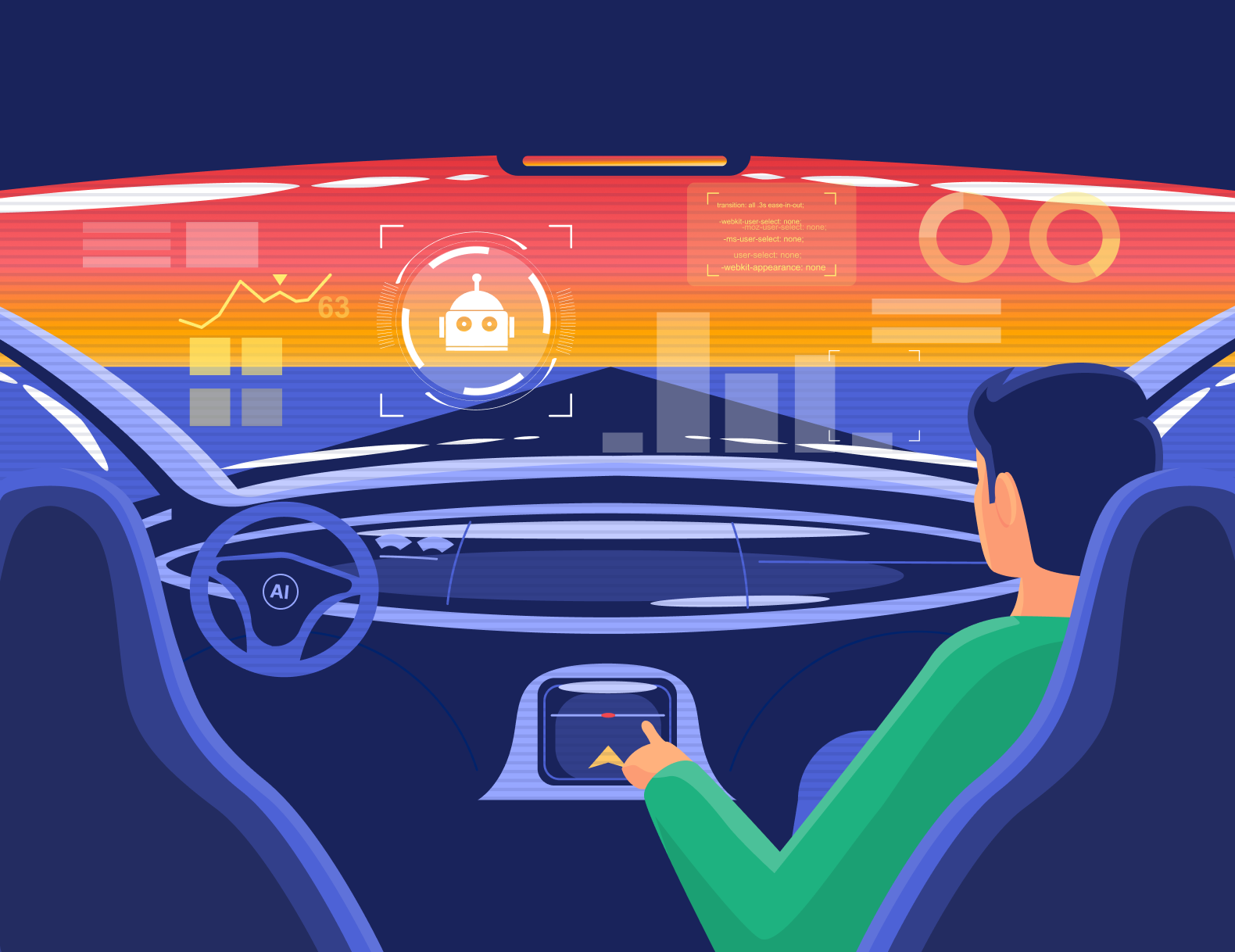
In today’s PPC landscape, AI PPC management and automation are firmly in the driver’s seat, with tools like Adthena, Beincremental, Google’s Performance Max and smart bidding leading the charge in campaign execution. Yet, this shift comes at a cost: advertisers are feeling increasingly disconnected from their campaigns’ inner workings. Let’s explore why blending AI with human strategy isn’t just wise, but essential, and how independent solutions like TrafficGuard help marketers stay in control.
The Rise of AI-Driven Campaigns
AI-powered campaign types such as Performance Max promise efficiency and scale. Advertisers simply provide budgets, goals, and creative assets, and the platform handles placement, bidding, and optimisation across networks like Search, Display, YouTube, Gmail, and Maps.
Similarly, automation in bidding, creative generation, and targeting is now mainstream, with advertisers turning to AI for faster optimisation cycles. These black box systems can deliver impressive results, but they are only as good as the strategy, and the quality of the traffic, guiding them.
The Transparency Trade-Off: Control Fades
The convenience of AI comes with a trade-off: waning visibility and control.
Automation can save time, but it can also create blind spots that hurt performance if left unchecked. This isn’t limited to AI bidding systems. Even brand-spend automation tools can create costly risks if you’re not careful. We break this down further in our blog: The Hidden Risks of Brand-Spend Automation Tools, And How to Protect Your ROI.
That’s why advertisers increasingly pair automation with independent verification tools like TrafficGuard, which filters out invalid clicks in real time. By protecting budgets from IVT, marketers regain clarity on what’s working and what isn’t, ensuring AI optimises toward genuine growth instead of misleading signals.
Finding the Middle Ground: Strategies for Balance
How can marketers reclaim oversight without forsaking automation’s speed and scale?
1. Define Clear Business Goals, Then Let AI Optimise Within Them
Let AI handle the heavy lifting, but make sure it’s guided by purpose. Set precise targets like CPA, ROAS, or conversion volume, and check often to ensure alignment.
2. Use Feed Management to Retain Granularity
Strong product feeds are critical. Tools like DataFeedWatch allow marketers to rule-based optimise feeds, inject relevant metadata, or filter products based on performance, all of which feed into smarter automation.
3. Merge Feed Logic With Automation
Platforms that allow dynamic feed-based campaign building help maintain structure even in automated setups.
4. Complement Automation With Human Analysis
While AI excels at rapid optimisation, human marketers must handle strategy, long-term planning, and creative oversight. This is where TrafficGuard’s reporting becomes valuable, surfacing invalid traffic trends so marketers can make decisions grounded in reality, not distorted data.
5. Treat Creative Assets and Landing Pages as Strategic Inputs, Not Just Collateral
AI systems rely heavily on the quality of inputs. Strong, standalone creative assets and optimised landing pages aren’t optional, they’re foundational. This is also where AI-powered PPC tools perform very differently depending on the quality and consistency of what you feed them.
Conclusion: AI + Strategy = Steady Growth
AI-powered PPC offers unmatched efficiency, but it isn’t a set-and-forget solution. Advertisers must blend AI’s speed with human oversight, crafting strategy, managing feeds, scrutinising data, and ensuring that every campaign reflects business goals, not just algorithmic assumptions.
Independent click fraud protection tools such as TrafficGuard help close the loop, blocking invalid traffic, restoring visibility, and making sure your budget fuels growth rather than fraud. In the evolving PPC ecosystem, the question isn’t if AI will dominate, it’s how you’ll guide it, and whether you have the right safeguards in place to keep it on course. AI for better PPC performance depends on both automation and the integrity of the signals driving it.
FAQs & Key Takeaways
1. What are the benefits of AI in PPC?
The benefits of AI for PPC include faster optimisation cycles, automated bidding, more efficient budget allocation, scalable testing, and improved performance consistency. AI allows campaigns to react to auction dynamics, user behaviour, and performance signals in real time, which is difficult to achieve manually at scale. When used well, AI reduces manual workload, improves efficiency across large accounts, and helps teams focus more on strategy rather than constant optimisation tasks.
2. How is AI used in PPC advertising?
AI is used in PPC advertising across bidding, targeting, creative optimisation, and placement decisions. Platforms apply machine learning models to interpret behavioural signals such as search intent, device type, location, and historical performance. These signals are used to adjust bids, expand audiences, and allocate budget dynamically, particularly in automated formats such as Performance Max and smart bidding.
3. How does AI optimise PPC campaigns?
AI optimises PPC campaigns by continuously analysing performance data and identifying which combinations of audience signals, creative assets, placements, and bid strategies are most likely to achieve a defined goal. Over time, the system reallocates bids and budget based on predicted outcomes, prioritising signals that appear to drive conversions or revenue. This process allows AI to optimise at a pace and scale that manual management cannot replicate.
4. What is the future of AI in PPC?
The future of AI in PPC is continued expansion of automation, with more campaign decisions handled by systems that require fewer manual inputs. As platforms move further toward automated campaign types and reduce transparency, advertisers will need stronger measurement frameworks and independent validation to understand what is driving performance. AI will increasingly function as infrastructure rather than a tactical feature.
5. How to balance automation and human strategy in PPC?
Balancing automation and human strategy starts with clear commercial goals, disciplined measurement, and regular human review of what the platforms are learning. Automation should be responsible for execution and optimisation speed, while humans remain accountable for defining success, evaluating performance quality, and identifying blind spots. This balance ensures automation supports business outcomes rather than optimising toward misleading signals.
6. What tools are available for AI in PPC?
AI tools for PPC include platform-native automation such as smart bidding and Performance Max, as well as third-party platforms that support optimisation, monitoring, feed management, and competitive analysis. Many teams also rely on AI-powered PPC tools for reporting, workflow automation, and creative testing. These tools are often used together to support scale, efficiency, and decision-making.
7. How does AI impact PPC performance?
AI can improve PPC performance by responding quickly to auction changes, testing creative and audience combinations at scale, and optimising bids efficiently. However, AI can also negatively impact performance if it is trained on low-quality inputs, such as invalid traffic, repeat users, or misleading conversion signals. Over time, this can distort bidding strategies and inflate costs, even if surface-level metrics appear stable.
8. How to combine AI tools in PPC campaigns with TrafficGuard?
TrafficGuard complements automated PPC campaigns by filtering invalid clicks in real time, helping protect the quality of the traffic and optimisation signals feeding AI systems. By removing noise from the data set, TrafficGuard improves the reliability of AI-driven bidding models and reduces the risk of campaigns optimising toward distorted or non-incremental behaviour.
9. How can marketers reclaim oversight without forsaking automation’s speed and scale?
Marketers can reclaim oversight by using automation for execution while retaining human ownership of goals, measurement, and strategic direction. Pairing platform automation with independent validation tools helps ensure AI systems learn from clean, high-quality data. Regular performance reviews allow teams to identify whether changes are driven by genuine demand or by shifts in signal quality.
10. How is AI used to build and target PPC audiences?
AI for PPC audiences relies on behavioural signals, historical performance data, and predictive modelling to identify users most likely to convert. Automated systems can expand audiences beyond manually defined segments, often using inferred intent rather than explicit targeting criteria. While this can increase reach, it also makes signal quality and measurement more important, as audience expansion can include low-value or non-incremental users if left unchecked.
11. Can AI alone deliver better PPC performance?
AI can contribute to better PPC performance by improving efficiency, speed, and scale, but it cannot operate effectively in isolation. AI relies entirely on the quality of the inputs it receives, including traffic, conversion data, and creative signals. Without human strategy and independent oversight, AI may optimise toward patterns that look efficient but do not align with real business growth.
Get started - it's free
You can set up a TrafficGuard account in minutes, so we’ll be protecting your campaigns before you can say ‘sky-high ROI’.

Explore More Blogs

Subscribe
Subscribe now to get all the latest news and insights on digital advertising, machine learning and ad fraud.


