
The Hive: Who’s Really Landing on Your Ads?

Paid Clicks: The Hidden Cost of Branded Search
Your best customers could be your most expensive clicks
Think about someone who’s already bought from you. They want to come back, so they type your brand name into Google and click the first thing they see, which is your ad. You pay for that click.
Next week they do the same thing, and you pay again. Some customers do this every time they visit.
There’s nothing fraudulent about it. They’re a real person and they might well buy something. But they were coming to you anyway, so you’re paying again for a customer you already won.
We call this navigational traffic: people using your paid ad as a shortcut to a site they already know. It’s one of the most common types of non-incremental traffic, and click fraud tools usually miss it because nothing about the click looks suspicious.
Why it costs more than it looks
One brand click on its own is cheap. That’s why the problem is easy to ignore. The cost comes from the same people clicking over and over, month after month.
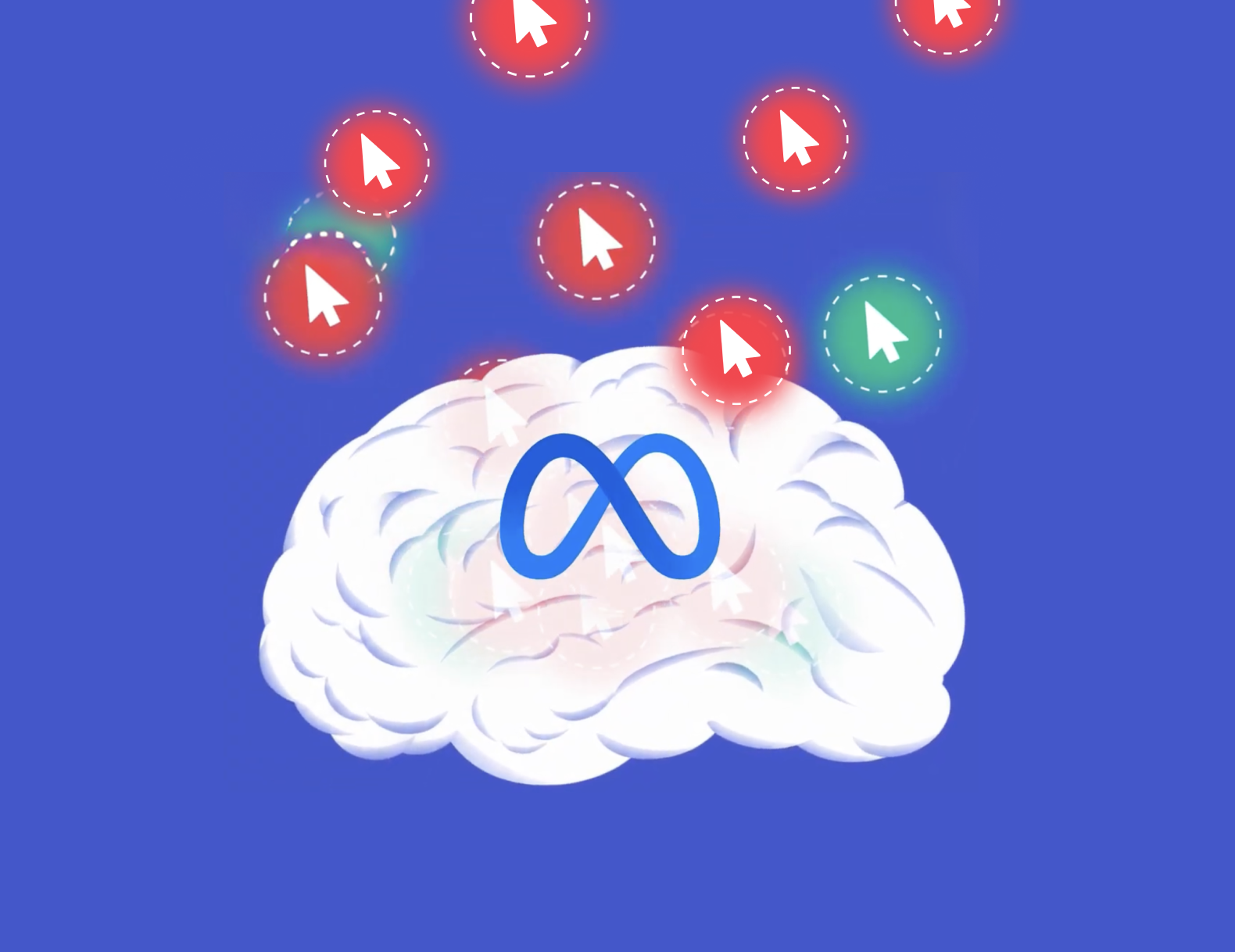
It also changes how your campaigns look. Click volume and click-through rates go up because the same loyal users keep coming through. Paid search gets credit for sales from customers who would have bought anyway. Smart bidding sees that these users convert well, so it chases more of them and spends less on reaching new prospects.
So your CAC can look healthy while the real cost of winning a new customer is higher than you think. Your LTV:CAC ratio takes a hit as well.
Stay at the top without paying twice
You don’t need to turn off your brand campaigns. If you stop bidding on your own name, competitors and affiliates will happily take those searches. What you want is to stop paying full price every time the same customer clicks.
TrafficGuard looks at click behaviour across sessions and campaigns to spot users who keep coming back through your ads. You’ll see that alongside your invalid traffic, so you get a clearer view of where the budget is going.
From there, you set a limit on how many paid clicks one person can trigger. Once someone goes over it, they stop being served paid clicks. They can still find you through your organic listing, or TrafficGuard can send them to a shadow campaign. That’s a copy of your brand campaign running at a much lower bid, so you keep the top spot for far less.
Branded search FAQs
What is non-incremental traffic?
Paid clicks from people who would have visited or bought from you without the ad. They’re real users, but the ad didn’t change what they did.
Is this the same as click fraud?
No. Click fraud comes from bots or people with no interest in your business. Navigational traffic comes from your own customers. It needs a different fix.
Should I stop bidding on my brand name?
Usually not. Your brand campaign protects those searches from competitors and affiliates. It makes more sense to keep it running and cut what you pay for repeat clicks.
How does TrafficGuard know someone is a returning user?
It looks at click behaviour for each user, including how often the same person clicks your ads across sessions and campaigns. Anyone who clicks more than the limit you’ve set is flagged.
What happens to users who hit the limit?
Nothing that stops them reaching you. They just stop being served paid clicks, and either see your organic listing or go into a lower-cost shadow campaign.
Can I choose the limit?
Yes. You set it based on how often your customers normally come back.
Does this work with your invalid traffic protection?
Yes. Invalid and non-incremental traffic show up in the same place, so you can see both together.
Stop paying for the same customer twice
Returning customers are worth a lot, but you shouldn’t have to pay to win them again every time they search for you. TrafficGuard shows you how much of your brand search spend goes on people who were coming back anyway, so you can spend it on finding new ones.
Book a demo to see what’s happening in your account, or start protecting your ads today.
Explore Other Videos
Subscribe
Subscribe now to get all the latest news and insights on digital advertising, machine learning and ad fraud.


