

Beyond Click Fraud: Why Non-Incremental Users Are Your Biggest Hidden Cost
Non-incremental users are real people, often existing customers or brand searchers, who click your paid ads despite already being on a path to convert. They are not fraud, so standard filters never flag them, but at scale they inflate attribution, corrupt Smart Bidding and divert budget from genuine acquisition. The fix is not to block them, but to identify them, quantify the cost, set frequency thresholds and redirect spend toward real growth.
Click fraud tools have become experts at spotting the obvious villains: bots, click farms and malicious competitors. But not all budget erosion comes from bots.
One of the most overlooked forms of waste is legitimate users behaving in non-incremental ways. These are real people, often your existing customers or high-intent brand searchers, who click your paid ads despite already being on a guaranteed path to convert. The behaviour is especially common on branded campaigns. They are not fraudulent, but their engagement erodes campaign efficacy, and at scale the cost is significant. This is the hidden cost that sits beyond click fraud, and it is distinct from the true cost of ad fraud precisely because the users are real.
What Is Non-Incremental Behaviour?
An incremental conversion is one that only happened because of your ad. Remove the ad, and the conversion disappears. A non-incremental user, by contrast, was already on a guaranteed path to conversion. They were going to log in, renew, or buy regardless of your paid media. The ad did not change their decision, it simply intercepted their journey and charged you for the privilege.
When these users click your ads, on Google Search, Meta or via affiliates, the platforms claim the credit. Because these are real humans with genuine on-site behaviour, the platforms have no reason to flag them. Google will happily serve ads to these users whether they click five, ten or fifty times in a day. The result is threefold.
Attribution inflation
Paid media takes credit for organic intent. Your reported ROAS looks healthy, but a meaningful portion of those conversions were never at risk. Research from incrementality testing platforms consistently shows the gap between platform-reported ROAS and true incremental ROAS can reach 2-3x on standard campaigns, and 5-10x on branded search and retargeting. That gap is your non-incremental exposure.
Signal pollution
Your Smart Bidding models learn from "easy" conversions rather than finding new customers. When non-incremental users dominate your conversion data, Smart Bidding starts chasing the wrong profile. It bids higher for users who resemble your existing customers, because they are your existing customers, and deprioritises genuine acquisition. The algorithm becomes excellent at converting people who were already converted.
Budget misallocation
You spend more on the users who need the least encouragement, while your real customer acquisition cost rises. Every pound spent re-acquiring an existing user is a pound not spent finding a new one. Over time this compounds: growth stalls, CPA climbs, and teams question channel performance when the real problem is signal quality.
The Danger of "High-Intent" False Positives
Bots are easy to filter because they follow non-human patterns. Non-incremental users are dangerous precisely because they look like your ideal customer profile.
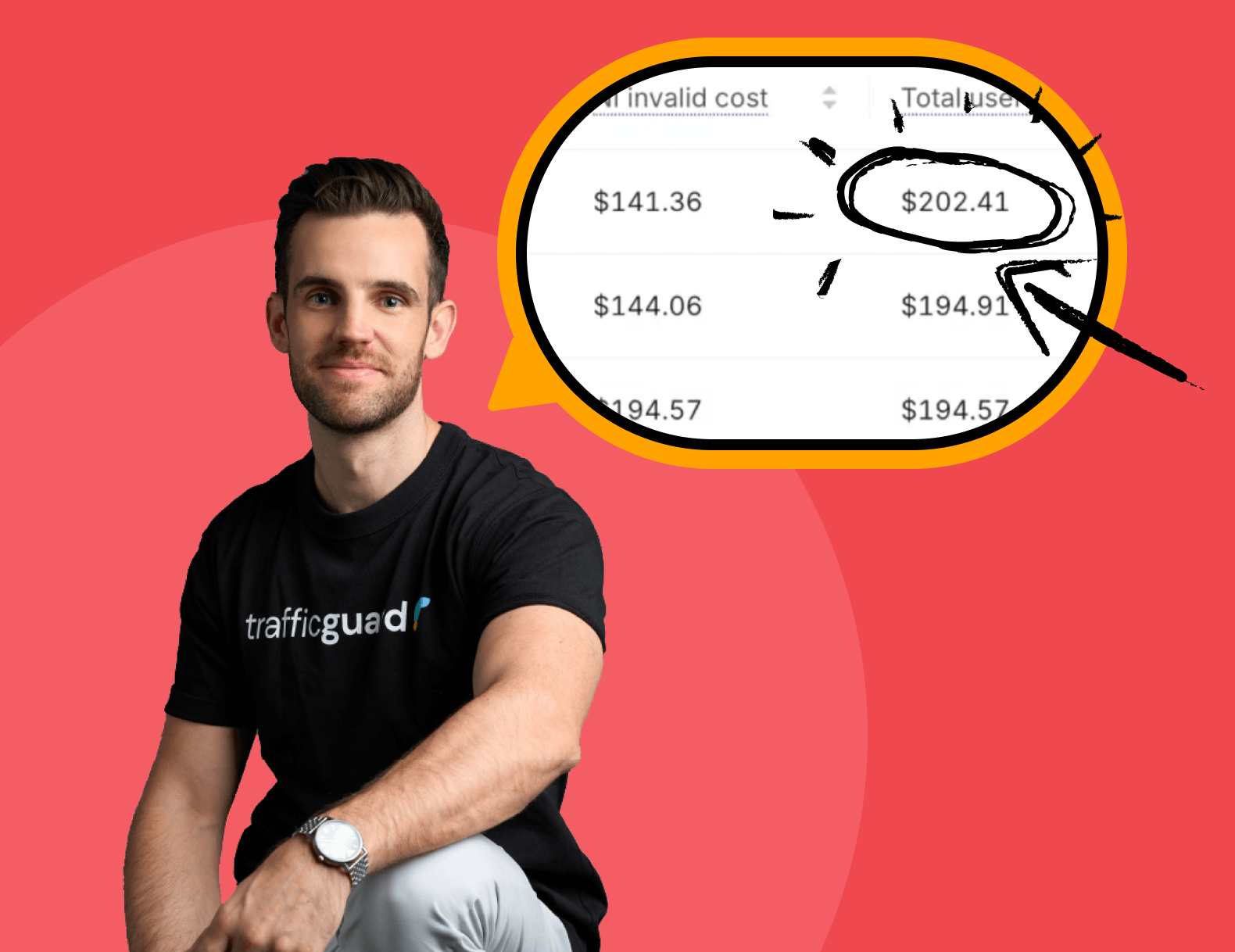
The navigation shortcut is the classic case: a user types your brand name to log in but clicks your paid ad instead of the organic result, daily, sometimes several times a day. In one real client example, a single user accumulated over $200 in ad spend across three days using branded search ads as a front door to log back in. See our deep dive on navigational traffic. The hyper-engaged researcher is another: a lead in a long B2B cycle clicks your retargeting ads weekly just to check pricing, already in your pipeline. And brand cannibalisation sees paid search capture demand that would have flowed through SEO anyway, you pay for traffic that was already yours. For more on the trade-off, see balancing brand campaign benefits and budget efficiency.
From a dashboard perspective, these all look like high-intent wins. In reality they are recycled demand. When your algorithms optimise for these clicks, you are scaling inefficiency, not growth.
How Non-Incremental Traffic Corrupts Your Bidding Models
Google Ads Smart Bidding, Meta's Advantage+ and other automated systems rely on conversion signals to decide who to target next. They assume every conversion is genuine new demand, with no mechanism to distinguish a first-time buyer from a loyal customer using your ad as a bookmark. When non-incremental conversions enter your data, three things follow. Your target CPA becomes artificially achievable because the algorithm hits its targets by serving ads to people who convert anyway. Audience modelling skews toward existing customers, because lookalikes are built from polluted data. And budget allocation favours the wrong campaigns, as automated tools shift spend toward branded campaigns that naturally attract non-incremental users.
The net effect is a feedback loop: non-incremental users generate easy conversions, the algorithm rewards those patterns, more budget flows to them, and genuine acquisition shrinks. Your incremental ROAS declines while reported ROAS stays flat. The dashboard tells a different story from reality.
Watch our breakdown on how non-incremental behaviour skews performance data and how to reclaim your "true" ROAS.
Why Standard Click Fraud Tools Miss This Entirely
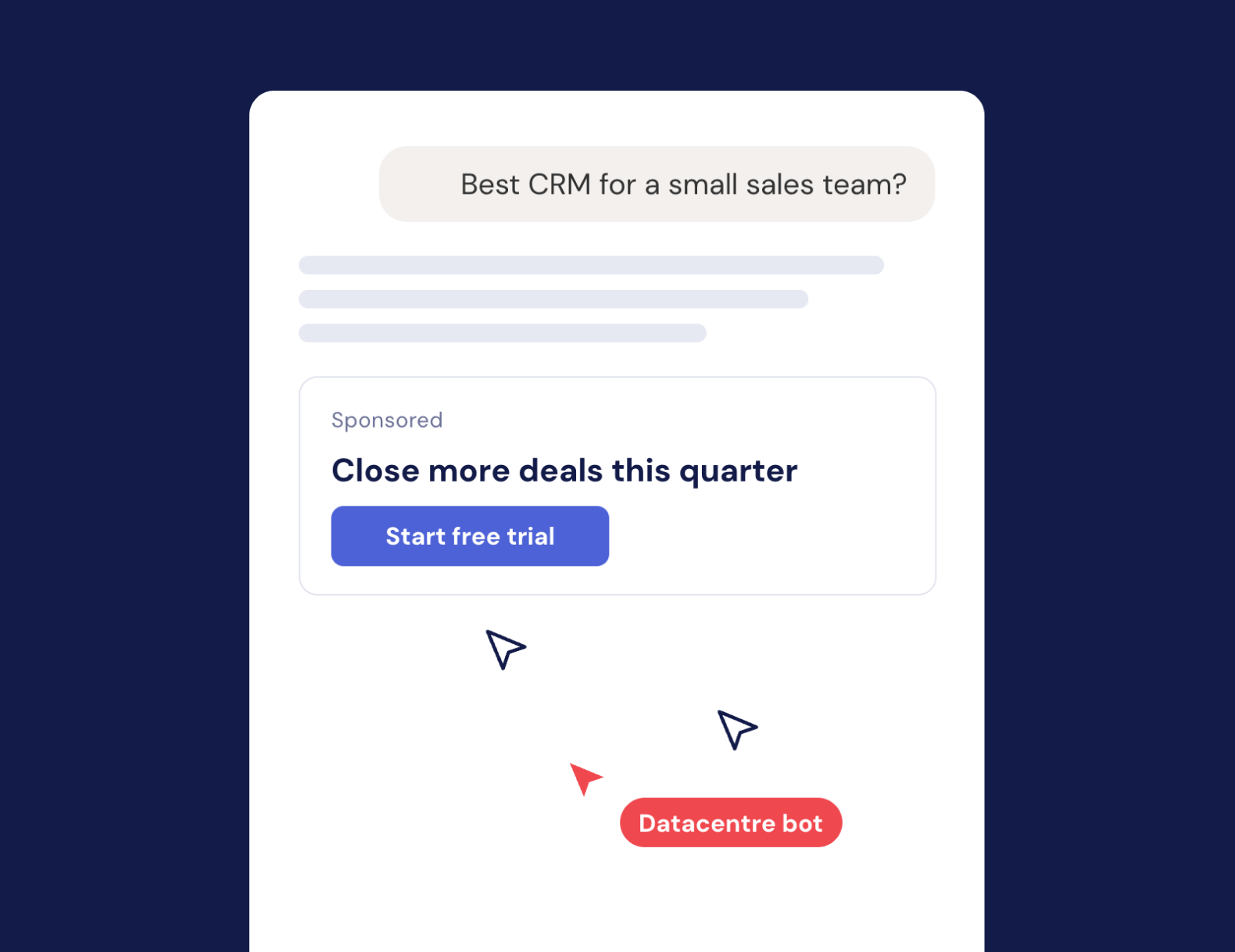
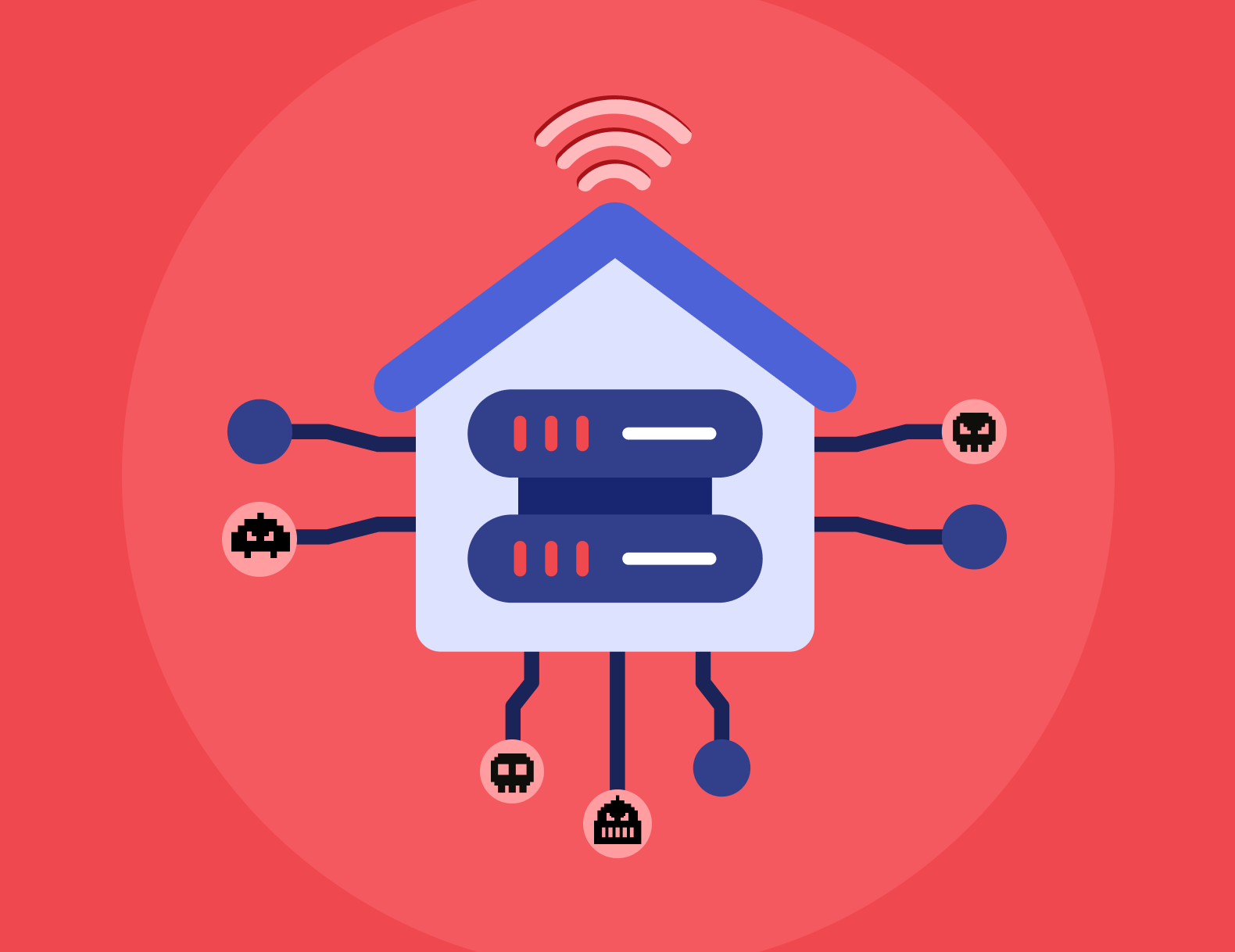
Most click fraud prevention softwares are built to detect non-human behaviour: bot signatures, data-centre IPs, click farms, device spoofing. Those are important threats and should be blocked. But non-incremental engagement triggers none of those layers. The user is real, the device is legitimate, the behaviour is human, the conversion is genuine. Every signal traditional filters rely on confirms this as "good" traffic.
That is precisely why it is so costly. It sits in a blind spot between fraud prevention and performance optimisation. This is not about blocking bad traffic, it is about identifying traffic that is valid but non-incremental, and deciding how much you are willing to pay for it.
How TrafficGuard Solves This
At TrafficGuard we have evolved the conversation beyond blocking "bad" traffic to ensuring every dollar contributes to true incremental growth. The foundation is User Identity Stitching: we match clicks across Performance Max, Social and Search to a unique user ID, building a complete picture of how individuals engage with your paid media over time. This enables three capabilities.
Non-incremental click reports surface exactly which users repeatedly engage and the total cost allocated to each, filterable by time, campaign, keyword and frequency, visibility platform dashboards do not provide. Click frequency thresholds let you decide how many times to serve a paid ad to the same user before redirecting them to organic. And Shadow Campaigns redirect non-incremental traffic into lower-CPC campaigns so your brand stays visible while cost per interaction drops, with the saved budget reinvested into top-of-funnel acquisition. The result is cleaner conversion data, lower real CPA, and budget that works harder for growth. For a practical view, see how to audit your PPC campaigns and stop invisible click waste.
Moving From Fraud Protection to Optimisation Integrity
The industry is catching up. Meta launched its Incremental Attribution setting in 2025, acknowledging that platform-reported conversions overstate real impact. The shift is from "how many conversions did we get?" to "how many would not have happened without us?" That is the incrementality question, and it applies to every channel and budget line. Optimisation Integrity is TrafficGuard's answer: ensuring your data is clean, your signals accurate, and your budget directed at outcomes that genuinely move the needle.
The Bottom Line
You cannot optimise what you cannot accurately measure. If your paid media is rewarded for behaviour that would have happened anyway, your growth has hit a ceiling you may not even see. Non-incremental traffic is not fraud, but it is one of the most significant sources of hidden waste in paid media. The fix is to identify these users, quantify their cost, set intelligent thresholds and redirect spend toward genuine acquisition. Book a demo with the TrafficGuard team to see your click-level data in full.
FAQs
What is the difference between click fraud and non-incremental traffic?
Click fraud involves deliberate, often automated invalid interactions such as bots, click farms or competitor sabotage. Non-incremental traffic comes from real users whose conversions would have happened without the ad. Both waste budget, but non-incremental traffic is harder to detect because it passes every standard validity check.
How do I know if non-incremental users are affecting my campaigns?
Common indicators include high conversion rates on branded campaigns paired with flat or declining new-customer growth, a widening gap between platform-reported ROAS and actual business outcomes, and individual users appearing in click data with unusually high engagement frequency. Non-incremental click reports surface this directly.
Does pausing brand campaigns fix the problem?
Not necessarily. Pausing brand campaigns can expose you to competitor bidding on your terms. The better approach is to keep them active but set click frequency thresholds so you control how much you pay per user, with shadow campaigns maintaining visibility at a fraction of the cost.
How does non-incremental traffic affect Google Ads Smart Bidding?
Smart Bidding treats every conversion as a genuine signal of ad effectiveness. When non-incremental users convert repeatedly, the algorithm learns to prioritise similar profiles, essentially optimising for people who were already going to convert. This inflates CPCs, skews targeting and reduces the budget directed at real acquisition.
What is incremental ROAS (iROAS) and why does it matter?
Incremental ROAS measures the return generated only from conversions that would not have occurred without the ad. It strips out non-incremental demand to show the true effectiveness of spend. Standard ROAS can overstate real performance by 2-10x depending on channel and campaign type.
Can non-incremental traffic affect Performance Max campaigns?
Yes. Performance Max relies heavily on conversion signals to automate bidding, placements and audience expansion. If a large share of conversions comes from existing or repeat users, the campaign optimises toward low-effort, non-incremental behaviour instead of genuine acquisition, inflating reported ROAS while real growth slows.
Why do branded campaigns have the highest levels of non-incremental traffic?
Branded campaigns capture users who already know your business and are often navigating directly toward conversion. Existing customers searching your brand to log in, or returning visitors comparing pricing, click paid ads despite already intending to engage. Without frequency controls and incrementality analysis, branded campaigns quietly absorb budget without proportional new growth.
What metrics should marketers monitor to identify incrementality issues?
Look beyond platform-reported ROAS to new-customer acquisition rate, branded-search dependency, repeat-user click frequency, assisted-conversion overlap, CAC trends, and the gap between reported conversions and actual revenue growth. Sudden ROAS improvements without corresponding business growth often signal rising non-incremental exposure rather than genuine improvement.
Get started - it's free
You can set up a TrafficGuard account in minutes, so we’ll be protecting your campaigns before you can say ‘sky-high ROI’.

Explore More Blogs

Subscribe
Subscribe now to get all the latest news and insights on digital advertising, machine learning and ad fraud.


