

Stop eCommerce Wasting Ad Spend on Engaged Buyers
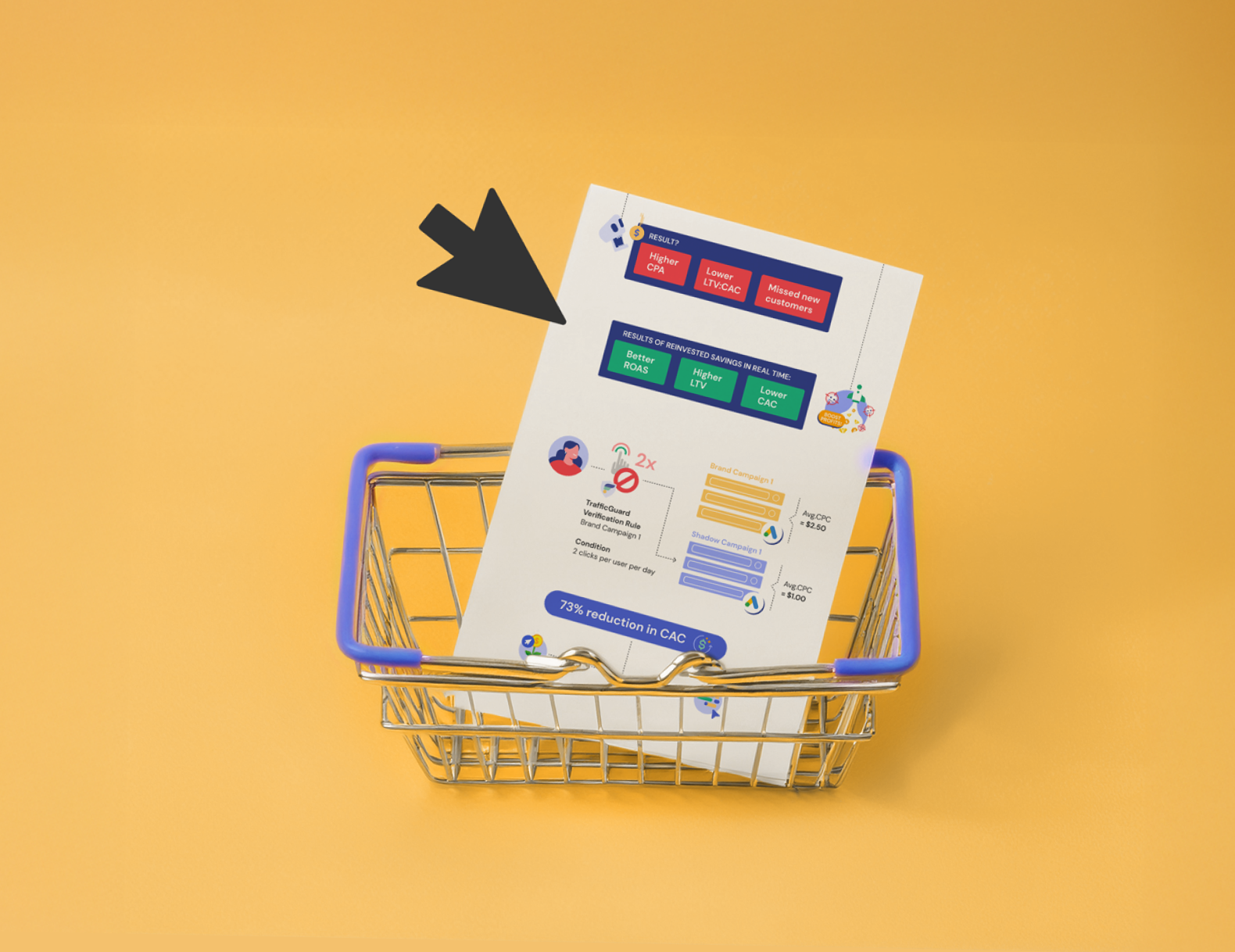
Many eCommerce retailers quietly waste budget retargeting already-engaged buyers who would have returned anyway. These branded, non-incremental conversions look like wins but produce no new revenue, and automated bidding amplifies the problem by chasing the easiest conversions. The fix is click-level visibility plus frequency controls and shadow campaigns that redirect that spend to genuinely new customers.
Ad budgets are precious, especially in competitive eCommerce. Yet many online retailers unknowingly waste spend retargeting customers who are already engaged: buyers who use branded keywords or navigate directly back to the store, users who would have returned regardless of your ad spend. The result is a misallocated budget, inflated CPCs and fewer opportunities to attract genuinely new customers.
Effective click fraud protection starts with understanding where that budget is actually going. This is the eCommerce face of non-incremental engagement, and dedicated click fraud protection for eCommerce is what lets you recover the waste and redirect it toward buyers who actually convert.
Why Returning Buyers Quietly Erode Your eCommerce ROAS
Focusing ad spend on already-engaged buyers sounds harmless, they convert, after all. But most of those conversions are not incremental. The customer was already coming back; the ad claimed credit it did not earn.
First, ad budgets get drained. Retailers spend significantly targeting loyal customers indirectly through branded keywords, conversions that would have occurred organically anyway, consuming budget with little incremental return. Second, automated bidding adds to the problem. Tools like Performance Max and Target ROAS prioritise conversions, naturally favouring returning buyers who convert easily. TrafficGuard data shows automated campaigns like PMax and Shopping can inflate CPCs by up to 5x by cannibalising branded search. Third, you miss opportunities for new customers: when budget spirals toward returning buyers, you miss high-value customers who could unlock far greater lifetime value, leaving you with higher CPA and a shrinking LTV-to-CAC ratio.
What Is Non-Incremental Engagement?
Non-incremental engagement is what happens when paid ads receive credit for conversions that would have occurred anyway. The users are real and genuine, but the ad played no meaningful role in their decision to buy. In eCommerce, this most commonly surfaces as returning customers clicking branded paid ads instead of navigating directly or through organic search. From a platform perspective these look like strong conversions; in reality they represent spend that produced no additional revenue.
For campaigns on automated bidding, the damage compounds quietly. The algorithm reads these easy conversions as a signal to find more of the same, pulling budget further from genuine acquisition and toward audiences already sold. It shows up eventually as rising CPAs and stalling growth. Identifying where non-incremental engagement is happening is the critical first step to recovering that spend.
Watch how real users repeatedly clicking your paid ads can quietly drain your budget:
How TrafficGuard Reduces Wasted Ad Spend in eCommerce
What if you had a clearer picture of performance and could redirect spend toward net-new customers? TrafficGuard solves the problem in four steps. It lets you see the full picture, mapping every step of the buyer journey in full GDPR compliance so you know when customers are already engaged. It cuts the waste by identifying returning buyers and applying click frequency controls across Search, PMax and Shopping. It redirects smarter, removing invalid and non-incremental behaviour before it shapes optimisation models so platforms optimise toward real buyers. And it boosts profits, letting you reinvest savings into acquiring fresh customers while improving ROAS, LTV and CAC.
eCommerce Ad Waste by the Numbers
TrafficGuard’s click fraud statistics highlight the scale of misallocated spend across eCommerce advertising:
- 8% to 12% of eCommerce ad spend targets buyers who are already engaged
- Automated bidding inflates CPCs by up to 5x on platforms like PMax and Shopping
- Redirecting wasted spend can drive more new buyers without increasing total budget
For advertisers managing large digital paid media programmes, even a modest improvement in traffic quality unlocks meaningful revenue gains.
Reclaim Control of Remarketing
Remarketing is a critical eCommerce strategy, but tools like Target ROAS often override the controls marketers set on remarketing lists, defaulting back to the easiest conversions. A smarter approach combines shadow campaigns with smart bid strategies, giving you back control over where budget flows: maintaining presence on high-intent branded searches, applying lower bids for returning visitors, and prioritising acquisition budget for new audiences. The outcome is a balanced programme that separates retention spend from acquisition spend without increasing overall budget.
Watch how shadow campaigns are configured and monitored within the TrafficGuard platform:
Preventing Wasted Spend With eCommerce Click Fraud Protection
Non-incremental engagement is not the only source of wasted spend. Invalid traffic and click fraud introduce a separate layer of budget leakage that distorts campaign data at the source. Bot traffic, automated scripts and competitor activity generate fraudulent clicks that inflate CPCs and corrupt optimisation signals. TrafficGuard blocks invalid traffic before it reaches your campaigns, ensuring ads only reach real, valuable users, fraudulent clicks no longer consume budget, and optimisation signals stay clean. For high-spend advertisers, protecting signal quality is as important as protecting budget.
The Bottom Line
It's time to stop wasting ad spend and start reclaiming your eCommerce budget for the new buyers who actually grow your business. Curious where your IVT rate might land? Run our IVT calculator for a quick estimate. Ready to see the full scale of the problem with your own campaign data? Book a demo and we'll show you TrafficGuard in action.
FAQs
What does "wasting ad spend on engaged buyers" mean?
It means paying for paid-ad clicks from customers who were already going to buy or return. They click a branded ad instead of navigating directly, so the platform charges you and claims the conversion, even though the ad added no new value.
Why is this a bigger problem in eCommerce?
eCommerce has strong branded search, frequent repeat purchases and heavy use of automated bidding, all of which funnel budget toward existing, already-engaged buyers. TrafficGuard data shows 8-12% of eCommerce ad spend targets buyers who are already engaged.
How does automated bidding make it worse?
Target ROAS and Performance Max prioritise the easiest conversions, which tend to be returning buyers. This can inflate CPCs by up to 5x by cannibalising branded search, and trains the algorithm to chase more of the same low-incrementality traffic.
Is targeting engaged buyers the same as click fraud?
No. Engaged buyers are real, genuine customers, so it is non-incremental waste, not fraud. Click fraud is a separate problem caused by bots and malicious actors. eCommerce campaigns are usually exposed to both.
How do I find out if my campaigns are affected?
Look for branded or remarketing campaigns with strong conversion rates but flat new-customer growth, rising CPA, and CPCs that climb on automated bidding. Click-level analysis confirms how much of your traffic is already-engaged buyers.
How do shadow campaigns help without losing remarketing?
Shadow campaigns let returning buyers still see your ads, but at lower bids, while your main budget and high bids are reserved for new audiences. This separates retention spend from acquisition spend rather than removing remarketing entirely.
Will reducing spend on engaged buyers hurt revenue?
Done correctly, no. You are not stopping these customers from buying, they were always going to. You are simply not overpaying to reach them, freeing budget to acquire new customers who add incremental revenue.
How does TrafficGuard protect eCommerce ad spend?
It maps the buyer journey at click level, applies frequency controls to limit ad delivery to already-engaged buyers, redirects that traffic to shadow campaigns, and blocks invalid traffic, so spend and optimisation signals focus on genuine new buyers.
Get started - it's free
You can set up a TrafficGuard account in minutes, so we’ll be protecting your campaigns before you can say ‘sky-high ROI’.

Explore More Blogs

Subscribe
Subscribe now to get all the latest news and insights on digital advertising, machine learning and ad fraud.


