

Sports Betting Ad Fraud: What The 2026 World Cup Revealed

The 2026 World Cup was the biggest betting event in history, and the biggest target for ad fraud. Across the 100+ sportsbooks TrafficGuard protects, tournament search spend passed $200M with daily spend up 60%. Around 22% of paid clicks were invalid or non-incremental, leaking an estimated $30–50M on Search alone and likely $100M+ once Affiliate and Social are counted. Surgical invalidation protects that spend without starving campaigns of real players.
The 2026 World Cup drove record betting ad spend, but around 22% of paid clicks in sports betting audits are invalid or non-incremental: bots, plus existing players clicking paid ads to log in. For operators that ran the surge unprotected, the tournament leaked tens of millions on Search alone. Surgical invalidation protects the budget without starving campaigns of real players.
The 2026 World Cup was the biggest betting event in history, and sports betting ad fraud scaled up right alongside the wagering. Operators poured record budgets into paid search to win new players. A large share of that spend never reached one.
Across the sports betting accounts TrafficGuard audits, invalid and non-incremental traffic averages around 22% of paid clicks. Applied to a tournament this size, that is tens of millions of dollars flowing to bots and to users who were never going to become new customers.
The Biggest Betting Event in History, and The Biggest Target
The records fell everywhere. Sportsbooks took more than $50 billion in global wagers, around 43% above the 2022 tournament. One executive called it the equivalent of ten Super Bowls. DraftKings reported 650% more bets than four years ago, BetMGM 211% more, and the final between Spain and Argentina became the most-bet soccer match in the histories of several major books.
That activity was hugely profitable. Betting houses made an estimated $4.5 to $5 billion in gross gaming revenue from the tournament, with roughly $500 million in profit from the final alone.
Record wagering means record acquisition spend, and acquisition spend is exactly what invalid traffic is built to exploit. Every major event pulls bots, scrapers and low-quality traffic toward the same budgets. The bigger the event, the bigger the target.
TrafficGuard Data Insights: What The Ad Spend Surge Looked Like
We see the acquisition side directly. Across the 100+ sports betting operators TrafficGuard protects, tournament search spend passed $200 million, with total daily spend up 60% against the three months before the tournament kicked off.
The growth was not even. Daily search spend rose fastest in Latin America, up 99% and close to doubling, driven by Brazil. Asia Pacific rose 74%, Europe 50%, Africa 34% and North America 27%. Money and attention concentrated fast, and fraud concentrates in the same places.
These figures are aggregated and anonymised across our platform. No individual operator's data is shown.
Why 22% of That Budget Never Reached a New Player
Here is the uncomfortable part. In the sports betting audits we run, around 22% of paid clicks are invalid or non-incremental. For an operator that ran the World Cup surge without protection, that is the share of the campaign that never bought a single new deposit.
Two things drive it, and only one is a bot.
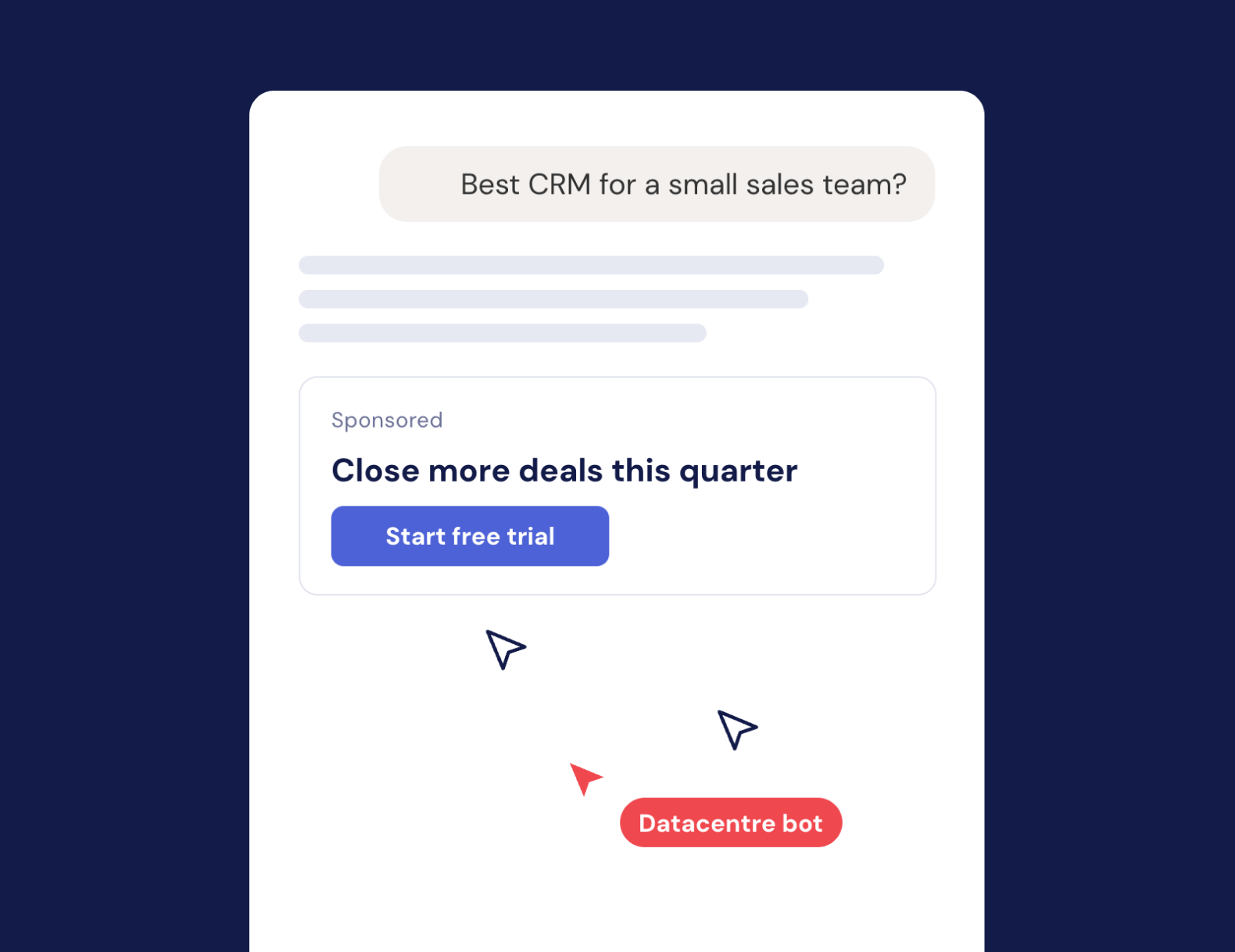
The first is classic invalid traffic: non-human clicks from bots and automation that burn budget with no intent to deposit. The second, and often the larger line for betting operators, is non-incremental traffic. These are your own existing players clicking a paid ad to log in instead of typing the URL or opening the app. You pay for the click, but the player was always coming back. No new value, real cost.
You can read more about non-Incremental engagement clicks in paid ads and how these affect your budget in this blog. Or you can watch this under three minutes video:
Put the spend surge, the regional growth and that 22% together, and for unprotected operators the tournament leaks an estimated $30 to $50 million on Search alone. Add Affiliate and Social, where cookie stuffing, click injection and misattribution do their own damage, and the figure is likely north of $100 million. These are estimates rather than platform-measured totals, but the direction is not in doubt.
How TrafficGuard Protects Sports Betting Ad Spend
Blocking traffic is easy. Blocking the wrong traffic is expensive, because over-blocking starves campaigns of real players and corrupts the signals your bidding depends on.
TrafficGuard for Search applies surgical invalidation. It scores every click in real time, filters bots and non-incremental clicks before they drain budget, and feeds clean conversion signals back to Google so optimisation improves rather than degrades. The same approach extends across Meta and Affiliate, so protection follows the spend wherever an event pushes it.
For sports betting specifically, the returning-user problem matters as much as the bot problem. Detecting non-incremental clicks, not just non-human ones, is what separates real acquisition efficiency from a simple blocklist.
What Unprotected Sports Betting Advertisers Should Do Now
You do not need to wait for the next tournament to see this in your own account. Three checks help.
Compare your brand-term search spend against genuinely new depositors, not all logins, and the non-incremental share starts to appear. Look at click-to-deposit rates by region during peak events, and watch where they fall even as spend climbs. And review invalid traffic as a percentage of spend, not just of clicks, because the cost concentration is what actually hurts.
If you run paid search, social or affiliate for a sportsbook, an audit will show you the real number for your own budget.
The Bottom Line
The 2026 World Cup proved the demand is real and the money is enormous. It also proved that a meaningful slice of every acquisition budget goes to traffic that brings no new players, through bots and through customers who were always coming back. Protecting that spend is the difference between buying growth and paying for it twice.
See how much of your spend reaches real players. Download the full World Cup data report, or book a free demo with the team.
Sources: ESPN; iGaming Business; H2 Gambling Capital (July 2026). TrafficGuard platform figures are aggregated and anonymised across 100+ sports betting operators (Google Ads, Search).
Frequently Asked questions
What is PPC ad fraud in sports betting?
Paid advertising spend that reaches invalid or non-incremental traffic rather than genuine new players. It covers bot and automated clicks, and existing customers clicking paid ads to log in instead of returning directly.
How much do betting operators lose to click fraud?
In TrafficGuard audits, invalid and non-incremental traffic averages around 22% of paid clicks. During a major event, that can mean tens of millions of dollars for large advertisers. If you are not ready for a demo, you can check your estimate ad fraud rate with TrafficGuard's click fraud calculator.
Can invalid traffic be blocked without hurting campaigns?
Yes, when invalidation is surgical. Filtering only invalid and non-incremental clicks protects budget while keeping clean signals flowing to campaign optimisation.
Get started - it's free
You can set up a TrafficGuard account in minutes, so we’ll be protecting your campaigns before you can say ‘sky-high ROI’.

Explore More Blogs

Subscribe
Subscribe now to get all the latest news and insights on digital advertising, machine learning and ad fraud.


