

Why Residential Proxies Are the New Blind Spot in Invalid Traffic
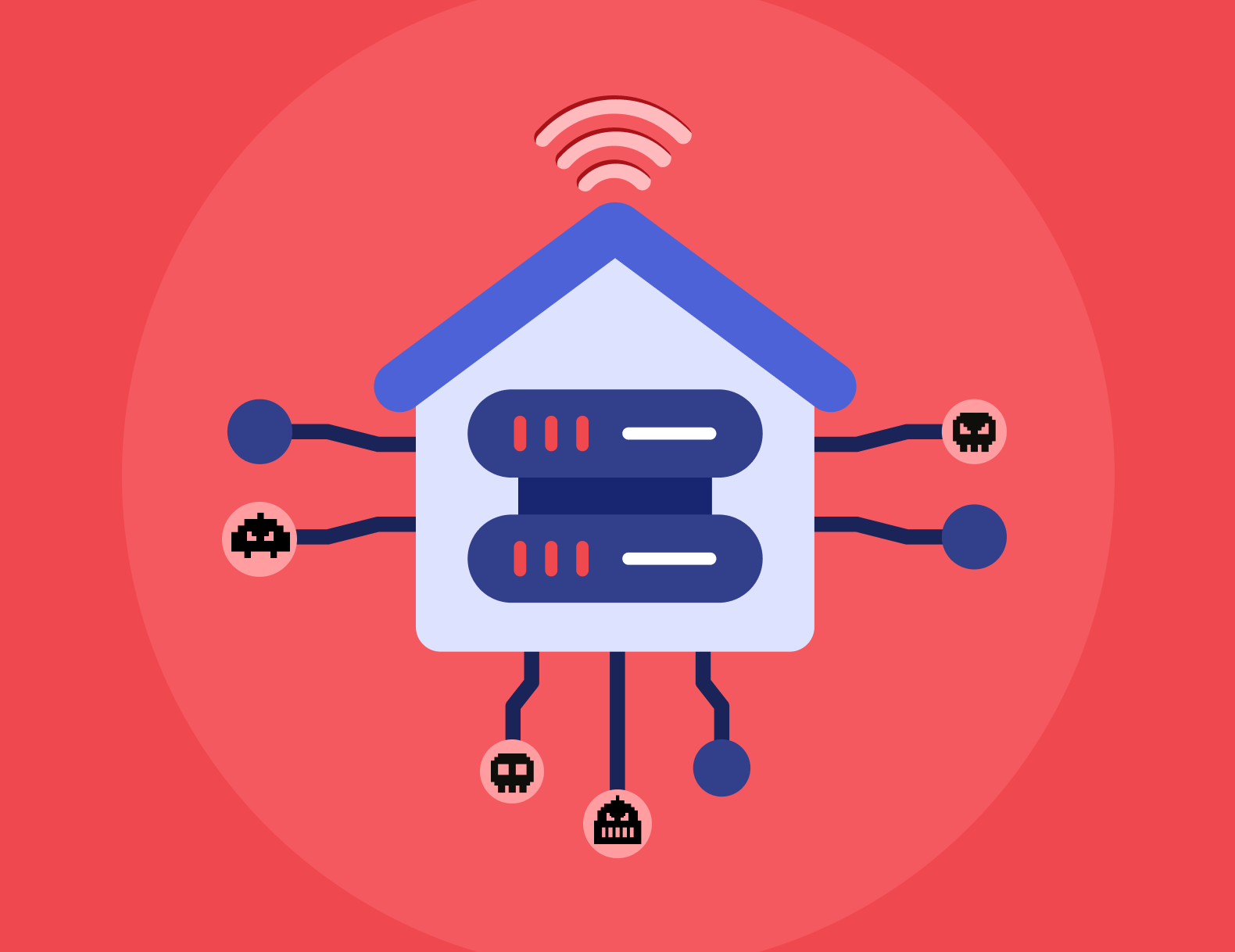
Residential proxies route bot traffic through real household internet connections, so fraudulent clicks now look almost identical to genuine customers. That breaks the IP-based logic most click fraud detection still relies on. The July 2026 takedown of the NetNut proxy network, an estimated two million infected devices, showed just how large this infrastructure has become. The fix is not a better IP blocklist. It is behavioural analysis that judges intent across the whole customer journey, and stops invalid traffic before it corrupts your campaign optimisation.
The recent takedown of the NetNut residential proxy network has put residential proxies back in the spotlight. The investigation focused on cybercrime, but it exposed a problem that lands squarely on digital advertisers: the same infrastructure that hides cyberattacks now generate sophisticated invalid traffic, making fraudulent clicks almost indistinguishable from genuine customers.
For anyone running paid media at scale, that changes the rules of click fraud detection.
This is where TrafficGuard comes in. Residential proxy traffic is a form of sophisticated invalid traffic, and TrafficGuard's AI-powered click fraud detection is built for exactly that. Instead of trusting the IP, it reads the behaviour behind each click: session patterns, timing,on-site actions. That tells a genuine customer from a human-like bot, then blocks the invalid clicks in real time before they are counted, attributed or learned from. And because residential proxies rotate their IPs to stay ahead of blocklists, TrafficGuard’s models also work predictively, anticipating where that traffic will surface next and blocking it pre-emptively.
What Is a Residential Proxy
A residential proxy routes internet traffic through a genuine consumer internet connection rather than a datacentre. Instead of appearing to originate from a server or cloud provider, the request looks like it came from an ordinary household using a legitimate internet service provider.
Residential proxies have plenty of legitimate uses: localisation testing, market research, ad verification, and permitted web scraping. But they have also become a preferred tool for fraudsters, because they make automated traffic far harder to separate from real users.
Scale is the part most advertisers underestimate. When Google and the FBI disrupted NetNut in July 2026, they cut off an estimated two million infected devices, many of them smart TVs and streaming boxes hijacked through trojanised apps. In one week that June, Google counted 316 distinct threat clusters using the network to hide their locations.
That is the pool a single proxy network puts in the hands of anyone who wants to disguise where their traffic really comes from.
For a paid media team, that pool does not announce itself. It shows up as ordinary clicks in Google Ads and Meta: the right country, the right city, a normal device and browser. Nothing in the standard campaign view flags it.
That is what makes residential proxy traffic so dangerous. It never trips the alarms your ad platform was built to raise, so it lands, gets counted, and starts shaping your optimisation data before anyone suspects a thing.
Why IP-Based Click Fraud Detection Is No Longer Enough
Historically, traditional click fraud protection could catch suspicious traffic with relatively blunt indicators. The signals were mostly about where a click came from, and that made them easy to check.
That approach worked when fraudulent traffic depended on infrastructure that was easy to fingerprint. Residential proxy networks have changed the game. By routing traffic through millions of legitimate household connections, bots can appear as real users browsing from real homes. From an IP perspective, many of these clicks look completely clean. Worse, these networks rotate constantly. A bot rarely clicks twice from the same address: each request can surface from a different household IP, so by the time an address is identified and added to a blocklist, the traffic has already moved on. Traditional IP blocking is not just incomplete against residential proxies. It is permanently a step behind them.
For Google Ads and Meta advertisers, the problem compounds. Fake clicks look more like real customers every year. IP reputation stops being reliable. Automated bidding learns from junk engagement, attribution drifts, and budget flows to users who were never prospects in the first place.
Modern invalid traffic is no longer defined by where it comes from. It is defined by how it behaves. That is the line the industry draws between general invalid traffic, the crude bots older filters catch, and sophisticated invalid traffic, the human-like activity that slips through. For a full breakdown of how each category is measured, see our guide to the types of invalid traffic.
How Residential Proxies Distort Your Campaign Data and Reporting
For a performance marketer, the budget lost to an invalid click is only the visible cost. The bigger problem is what the click does to your numbers after it lands, because every optimisation decision you make comes from those numbers.
Start with the surface metrics. Proxied clicks inflate click volume and click-through rate, so an ad, keyword or audience can look like a winner while delivering only bots. Those visitors rarely convert, so your conversion rate falls and your cost per acquisition climbs. Read at face value, the data tells you to pause a perfectly good ad, or to rewrite a landing page that was never the problem.
The distortion then spreads into attribution. Invalid sessions are still attributed to campaigns, keywords and channels, quietly shifting credit toward whichever ones the bots happened to touch and away from the sources driving real revenue. Budget follows that false credit, so you scale the wrong things.
Your audiences take the same hit. Proxied users drop into remarketing lists and lookalike or Advantage+ seed audiences, so you pay a second time to chase people who were never prospects, and Meta builds fresh audiences modelled on non-human behaviour. The pool grows while its quality quietly collapses.
The net effect is a reporting layer that looks healthy while pointing you the wrong way. You cannot fix what you cannot see, and residential proxy traffic is engineered to stay invisible in an IP-based view.
Why TrafficGuard Pairs Behavioural Analysis with Predictive IP Intelligence
This shift is exactly why TrafficGuard's approach to invalid traffic prevention goes beyond IP blocking. Blocking known bad IPs still has value, but it is no longer enough when fraudulent traffic originates from genuine residential connections that no blocklist will ever flag, rotating through fresh IPs faster than any static list can update.
Instead, TrafficGuard weighs behavioural, technical and contextual signals across the full customer journey to decide whether a click is likely to represent genuine intent. Rather than asking a single question, "is this IP suspicious?", it asks the questions that actually predict value:
- Does this user's behaviour look genuine across the session, not just at the moment of the click?
- Is the click likely to lead to a real customer, or does the journey collapse the moment money is on the line?
- Is this interaction giving Google or Meta a meaningful optimisation signal?
- Should this click be allowed to influence automated bidding at all?
Because the verdict is based on behaviour rather than network reputation, a residential proxy offers a fraudster no cover. The IP might look like a family home in your target city, but the interaction still has to behave like a customer through the whole journey, and sophisticated invalid traffic rarely can.
When a click is judged invalid, TrafficGuard blocks it in real time at the top of the funnel, so it is never counted, attributed or learned from by your analytics or bidding. That is what separates real bot detection from a reputation lookup.
Behavioural analysis is one half of the defence. The other is getting ahead of the rotation itself. TrafficGuard’s machine learning models work in real time to predict the IP ranges a rotating residential proxy network is likely to surface from next, so those addresses can be blocked before the first fraudulent click arrives. Reactive tools block yesterday’s IPs. Predictive modelling blocks tomorrow’s. The specifics of how these models forecast rotation stay in-house for obvious reasons, but the outcome is simple: rotation loses the head start it was designed to give the fraudster.
Why This Matters for Campaign Performance
Every invalid click costs more than the click itself. Google Ads and Meta optimise campaigns from the signals they receive. When residential proxy traffic is mistaken for genuine engagement, the platforms do what they are designed to do: they go and find more users who behave the same way.
That is the trap. Over time it becomes a feedback loop, where smart bidding keeps buying low-quality traffic because it has been taught that traffic is valuable. The damage is not a one-off wasted click. It is a bidding model that has been quietly trained on fraud, so it misprices your entire audience.
This hits high-CPA verticals hardest. For eCommerce, iGaming, finance and travel brands running $50K a month or more per channel, a corrupted optimisation loop does not just waste today's spend. It degrades every future campaign built on the same learning. Preventing invalid traffic before it reaches the bidding algorithm protects tomorrow's performance, not only today's budget. That prevention-first stance is core to how TrafficGuard for Search and TrafficGuard for Social are built, filtering the signal before it can teach the platform the wrong lesson.
What to Look For and What to Do Next
You do not need a new tool to start pressure-testing your traffic today. Look for the tell-tale gap between clicks and outcomes: channels where click and session volume look healthy but conversion quality, LTV or repeat rate quietly declines. That divergence is often the first sign that human-like invalid traffic is inflating the top of your funnel.
Then ask three questions of your current defences. Does your detection rely mainly on IP reputation and blocklists? Does it evaluate the full journey, or only the moment of the click? And does it act before a click influences automated bidding, or only report on it after the budget is spent? If the answers point to after-the-fact IP filtering, residential proxy traffic is almost certainly a blind spot in your account.
The Bottom Line
The NetNut disruption is a real step toward dismantling malicious infrastructure, but it will not be the last residential proxy network fraudsters reach for. As the infrastructure evolves, detection has to evolve with it. The future of invalid traffic prevention is not about identifying bad IP addresses. It is about identifying bad behaviour, and stopping it before it touches your budget, your attribution and your campaign optimisation. If you want to see where residential proxy traffic is hiding in your own accounts, book a demo with TrafficGuard.
Frequently Asked Questions
Why do existing fraud tools miss proxy-backed abuse?
Most legacy tools score traffic on IP reputation and network origin. Residential proxies route bots through genuine household connections that carry a clean reputation, so IP-based checks pass them through, and rotate those connections faster than blocklists can keep up. Only behaviour-led detection that evaluates the full journey can separate a real user from a proxied bot.
Can AI reduce invalid traffic from residential proxies?
Yes. Because residential proxies defeat IP signals, the reliable approach is to analyse behavioural, technical and contextual patterns across the session. Machine learning models trained on genuine intent can flag human-like invalid traffic that rule-based IP filters cannot, and can act before the click influences automated bidding. Predictive models go a step further, anticipating the IP ranges a rotating proxy network will use next and blocking them pre-emptively rather than reacting after the fact.
What is the difference between general and sophisticated invalid traffic?
General invalid traffic covers crude, easily identified bots and known datacentre sources that basic filters catch. Sophisticated invalid traffic is human-like activity, often routed through residential proxies, that mimics genuine users closely enough to pass IP-based detection. It requires behavioural analysis to identify.
How does residential proxy traffic affect Google Ads and Meta reporting?
It quietly inflates click-through rate, deflates conversion rate and raises cost per acquisition, so healthy-looking metrics point you at the wrong decisions. It also pollutes attribution and audiences, sending credit and remarketing spend toward users who were never real prospects. Because the traffic looks local and human, standard platform reports do not flag it.
What is click fraud protection, and does it stop residential proxy traffic?
Click fraud protection is the practice of detecting and blocking invalid clicks on your paid ads before they waste budget or corrupt your data. Standard, IP-based click fraud protection struggles with residential proxies because the IPs look genuine. Behaviour-led protection like TrafficGuard stops it by judging each click on how it behaves, not where it comes from.
Can Google Ads and Meta filters catch residential proxy traffic on their own?
They catch a share of it. Platform filters remove much of the crude, general invalid traffic, but they are not built to catch sophisticated invalid traffic that uses residential IPs and human-like behaviour to evade detection. That is the traffic most likely to reach your reporting and bidding, so dedicated detection is needed to close the gap.
Do residential proxies violate Google Ads or Meta policies?
Using them to generate ad clicks does. Both platforms prohibit invalid traffic, including automated or disguised activity designed to inflate clicks or conversions. Residential proxies are a neutral tool with legitimate uses, but routing bot traffic through them to click on ads breaches platform policy and can put an advertiser account at risk.
How do I know if residential proxy traffic is affecting my campaigns?
The clearest sign is a gap between clicks and outcomes: click and session volume look healthy while conversion quality, LTV or repeat rate quietly declines. Spikes of traffic from in-market locations that never convert are another flag. Because the IPs look residential, you rarely spot it from IP reports alone, which is why behavioural detection matters.
Get started - it's free
You can set up a TrafficGuard account in minutes, so we’ll be protecting your campaigns before you can say ‘sky-high ROI’.

Explore More Blogs


Subscribe
Subscribe now to get all the latest news and insights on digital advertising, machine learning and ad fraud.


