
CS Insights: Understanding Non-Incremental Engagement in Paid Ads
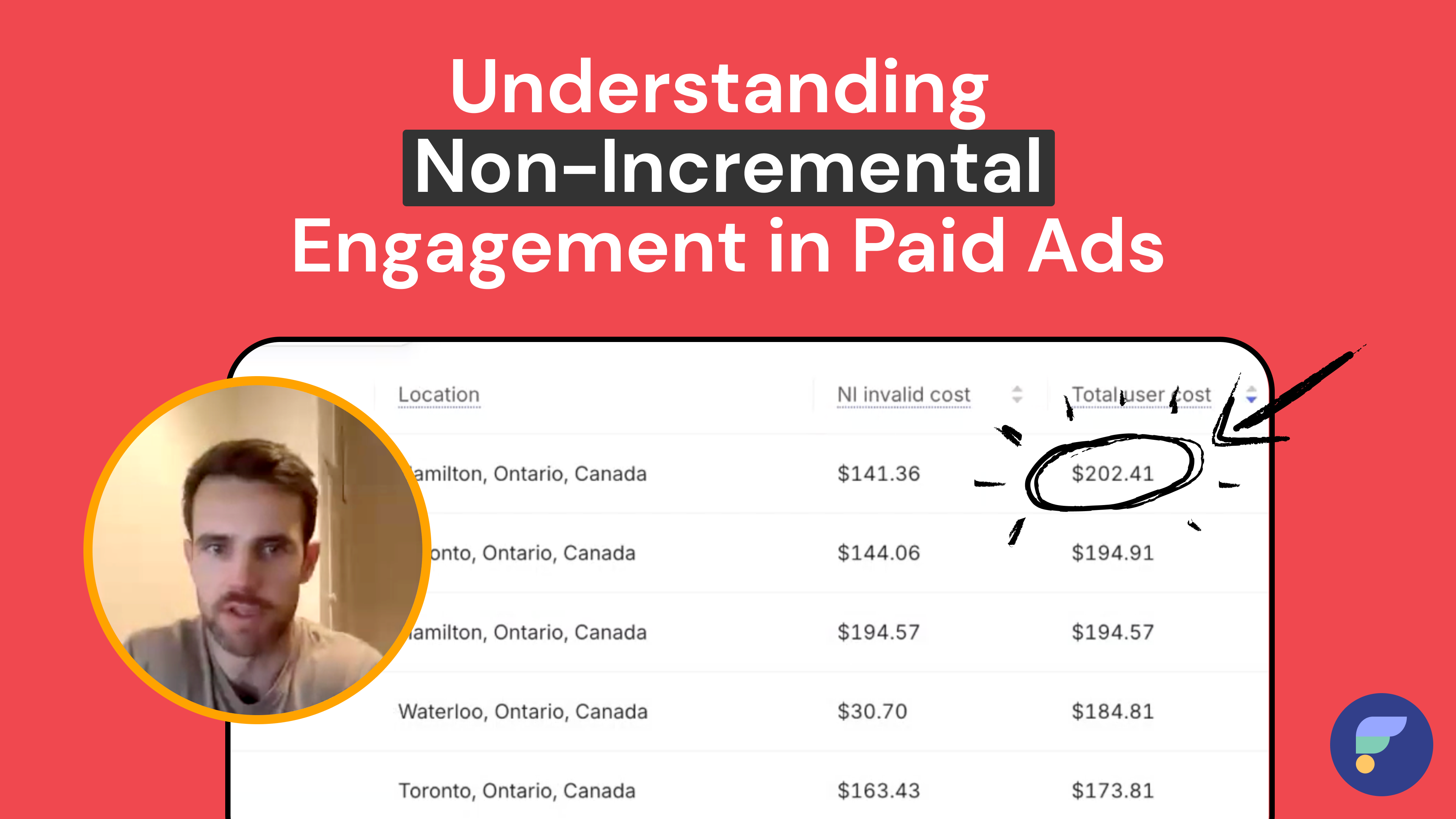
What Is Non-Incremental Engagement in Paid Ads?
Most advertisers direct their click fraud protection efforts at bots, click farms, and competitor sabotage. But some of the most expensive budget erosion in paid media comes from a source that never triggers a single fraud alert: your own existing customers.
These are real users, often your most loyal ones, who click your paid ads repeatedly despite already being on a guaranteed path to convert. They were going to log in, complete a purchase, or renew their subscription regardless of your ad. The ad did not influence their decision. It simply intercepted their journey and charged you for it.
In this CS Insights video, Kalen walks through how TrafficGuard identifies these excessive clickers, what that activity looks like inside a live account, and how redirecting repeat users to organic frees your budget for genuine acquisition.
Why Standard Tools Miss It
Google has no reason to flag this behaviour. The user is real, the device is legitimate, and the session looks human. Repeated clicking by existing users sits in a blind spot that standard fraud filters are not designed to look for.
The damage compounds quietly. Paid media takes credit for organic intent, inflating reported ROAS. Smart Bidding learns from these easy interactions and optimises for users who resemble your existing customers rather than finding new ones. Every pound spent intercepting someone already converted is a pound not spent on real acquisition.
How TrafficGuard Identifies and Redirects Excessive Clickers
- Excessive clickers are surfaced at the user level. TrafficGuard tracks how many times each individual user clicks your paid ads within a defined time window, across campaigns. You see exactly who is clicking repeatedly, how often, and what it is costing you.
- The non-incremental click report makes the cost visible. Filter by time period, campaign, and engagement frequency. The data is granular: specific users, when the activity happened, which campaigns were affected, and the total spend allocated to each.
- Click frequency thresholds define your limits. Once you can see the patterns, you set the rules. Define how many times you are willing to serve a paid ad to the same user within a given window. When they exceed that threshold, TrafficGuard excludes them from the paid campaign.
- Repeat users are redirected to organic. Rather than continuing to pay full CPC for the same person, excluded users are directed to your organic listing instead. Your brand remains visible. The spend stops. That budget is reinvested into acquisition campaigns targeting users who have never converted before.
Why This Matters for Performance Marketers
Redirecting excessive clickers to organic does not cost you visibility. It costs you nothing. The user still finds your site, still converts, and your paid budget is freed to work on users who genuinely need the nudge.
The downstream effect is cleaner conversion data, lower real CPA, and bidding models that optimise for new demand rather than recycling existing customers through your paid campaigns.
For the full breakdown of why non-incremental users are your biggest hidden cost, how the maths compounds over time, and what optimisation integrity looks like in practice, read the blog: Beyond Click Fraud: Why Non-Incremental Users Are Your Biggest Hidden Cost
Ready to see what excessive clicking is costing your campaigns? Start your free trial.
Explore Other Videos



Subscribe
Subscribe now to get all the latest news and insights on digital advertising, machine learning and ad fraud.


